
The Paradox of Lifelong Learning: Balancing Knowledge and Life
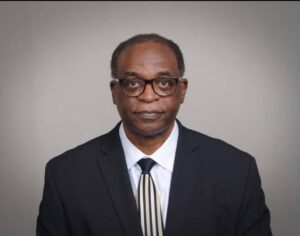
Isaac Megbolugbe
November 30, 2025
Introduction
As I reflect on my journey of lifelong learning, I’m reminded that the pursuit of knowledge and personal growth is a double-edged sword. On one hand, it brought me immense joy, expanded my perspectives, and equipped me with the tools to navigate life’s complexities. On the other hand, it’s also led to sacrifices, strained relationships, and a sense of imbalance. In this article, I’ll explore the two types of learners, the nature and processes of lifelong learning, and the costs and benefits that come with it. I’ll also share my personal experiences, highlighting the importance of finding balance in our pursuit of knowledge and living a life of purpose, passion, and fulfillment.
The Two Types of Learners: A Reflection on Lifelong Learning
There are two types of people in the world: lifelong learners and occasional learners. This dichotomy has fascinated me, especially as I reflect on my own journey of learning and growth. As a baby, I was a learner, driven by curiosity and a desire to explore the world around me. And, as I’ve often said, babies are learners – which is why they can float if you throw them into water. But as we grow older, some of us lose that natural capacity to learn, and it can be a struggle to regain it.
The Power of Lifelong Learning
Lifelong learners, on the other hand, never lose their natural curiosity to learn. They’re the ones who continue to explore, to question, and to seek out new knowledge and experiences. And I’m proud to say that I’ve been a lifelong learner all my life. Even in my 70s, I’m still learning, still exploring, and still seeking out new knowledge and experiences.
A Different Path
Many of my classmates, I’m sure, would say that they’ve stopped learning since completing their formal education. They’re not alone; many people seem to view education as a finite process, something that ends with a degree or a certificate. But I never saw it that way. For me, learning has always been a joy, a passion, and a way of life.
The Benefits of Learning
And it served me well. People often comment on my versatility, my broad-based working knowledge, and my ability to navigate a wide range of competencies. And I attribute it all to my insatiable desire to learn. With the advent of Google and AI technologies, learning has become more efficient and effective than ever before. But the basic desire to study and learn, even if it’s just to gain greater clarity on what I already know, has always been normative to me.
A Life of Learning
As I look back on my life, I realize that learning has been a constant theme. It’s shaped me into the person I am today, and it’s given me the tools and the confidence to pursue my passions. And I hope that my example can inspire others to embrace the joy of lifelong learning, to stay curious, and to keep exploring.
Lifelong Learning: The Nature and Processes of Continuous Growth
Lifelong learning is a voluntary, self-directed process of acquiring knowledge, skills, and values that continues throughout an individual’s life. It’s an essential aspect of personal and professional development, enabling individuals to adapt to changing environments, pursue their passions, and contribute to society.
Nature of Lifelong Learning
1. Self-directed: Lifelong learning is driven by individual motivation and curiosity.
2. Continuous: Learning occurs throughout one’s life, from childhood to old age.
3. Holistic: It encompasses various aspects of life, including personal, professional, and social development.
4. Experiential: Learning is often experiential, involving hands-on experiences and reflection.
Process of Lifelong Learning
1. Reflection: Identifying learning needs and goals, reflecting on experiences, and evaluating progress.
2. Exploitation Seeking out learning opportunities, resources, and networks.
3. Acquisition: Acquiring new knowledge, skills, and values through various means (e.g., formal education, online courses, mentorship).
4. Application: Applying learned knowledge and skills to real-life situations.
5. Sharing: Sharing knowledge and experiences with others, reinforcing one’s own learning.
Benefits of Lifelong Learning
1. Personal growth: Enhanced self-awareness, confidence, and adaptability.
2. Professional development*l: Improved job prospects, career advancement, and innovation.
3. Social engagement: Connecting with others, building networks, and contributing to society.
4. Cognitive development: Improved critical thinking, problem-solving, and creativity.
Strategies for Lifelong Learning
1. Set learning goals: Identify areas for improvement and set achievable goals.
2. Seek diverse learning opportunities: Explore various learning formats, such as online courses, workshops, and conferences.
3. Join learning communities: Connect with others who share similar interests and passions.
4. Reflect and evaluate: Regularly reflect on progress, adjust learning strategies, and celebrate successes.
By embracing lifelong learning, individuals can unlock their full potential, stay adaptable, and lead fulfilling lives.
The Costs of Lifelong Learning: Reflections on Sacrifice and Priorities
Lifelong study and learning are not cost-free habits or life practices. As I’ve reflected on my own journey, I’ve come to realize that my dedication to learning and writing has come at a significant personal cost. With the benefit of hindsight, I see that my tendency to protect my attention and energy to focus on my studies and writing has negatively impacted my love life and romantic fulfillment.
The Price of Focus
I’ve prioritized my pursuit of knowledge and writing over meaningful relationships, and it’s a choice that I’ve come to revisit. I let my soulmate leave because I wasn’t willing to invest time and energy in our relationship. I chose my academic pursuits over spending time with my fiancé, who eventually married someone else. And I even reconsidered my marriage plans with my soulmate due to my commitment to a writing project.
The Consequences of Priorities
These choices have had consequences. I’ve experienced devastating heartache, and my romantic life has suffered. I’ve also paid a physical price, pushing my body to its limits and suffering the consequences. My health issues have forced me to take a step back and reevaluate my priorities.
A Season of Reflection
As I look back, I’m reminded that lifelong learning is not just about acquiring knowledge; it’s about living a life of purpose and intention. I’ve learned that it’s essential to balance one’s passions with relationships and personal well-being. My journey has taught me that the pursuit of knowledge and writing should not come at the expense of love, relationships, and overall well-being.
A New Perspective
My experiences have given me a new perspective on the costs of lifelong learning. I hope that by sharing my story, others might be inspired to reflect on their own priorities and find a balance that works for them.
The Achilles’ Heel of Intellectual Pursuits: A Reflection on Balance
As a lifelong learner and prolific writer, I’ve often prioritized my intellectual pursuits over other aspects of life. My tendency to protect and focus my attention on studying, learning, and writing has driven many of my accomplishments. However, this intense focus has also led to vulnerabilities in my personal relationships, romantic life, and overall well-being.
The Unintended Costs
Reflecting on my journey, I see how my prioritization of intellectual pursuits has led to:
– Strained relationships with loved ones
– Missed opportunities for romantic connection and fulfillment
– Compromised physical and mental health
– A sense of isolation and disconnection
Recognizing the Pattern
I’ve come to recognize this pattern as my Achilles’ Heel – a weakness in an otherwise strong facade. My intense focus on intellectual pursuits, while driving my success, has also made me vulnerable to imbalance and regret.
A Shift in Perspective
As I’ve navigated life’s challenges, I’ve sought to rebalance my priorities. I’ve learned that intellectual pursuits, while valuable, are not the only measure of a life well-being. I’ve begun to prioritize faith, family, and service, recognizing that these aspects are essential to true fulfillment.
Lessons Learned
For those who, like me, tend to prioritize intellectual pursuits, I offer these lessons:
– Balance is key: intellectual growth should complement, not come at the expense of, personal relationships and well-being.
– Vulnerability can be strength: acknowledging weaknesses and limitations can lead to greater resilience and connection.
– Prioritize what truly matters: faith, family, and service can bring deeper fulfillment than intellectual achievements alone.
A New Chapter
As I continue this journey, I’m grateful for the lessons learned. May we all strive to recognize our own Achilles’ Heel and seek balance in our pursuits, prioritizing what truly matters in life.
Finding Balance: A Lifelong Journey
A fulfilling life is a delicate balance of faith, family, career, and service. I’ve come to realize that my inordinate prioritization of career and lifelong learning has had a devastating impact on my life. My workaholic mindset led me down a path of imbalance, causing harm to myself and those around me.
The Consequences of Imbalance
Looking back, I see how my choices led to heartaches and regrets. I sacrificed relationships, health, and personal well-being on the altar of success. But I’m grateful that God’s grace intervened, redeeming my life and reorienting my priorities.
The Gift of Redemption
God’s redemption has given me a new perspective on life. He’s shown me that true fulfillment comes from serving Him and living a life of purpose. I’ve entered His rest, where tranquility, peace, joy, contentment, and fulfillment abound.
Lessons Learned
As I reflect on my journey, I’m reminded of the importance of balance. I’ve observed peers and role models who’ve embodied this balance, and they’ve seemed to avoid the pitfalls I’ve faced. Their lives are a testament to the wisdom of prioritizing faith, family, career, and service. My story is one of redemption, and I’m grateful for the lessons learned. I hope that by sharing my experiences, others might be inspired to seek balance in their own lives. May we all strive to live a life that honors God and reflects His love to the world.
Concluding Remarks: The Benefits and Costs of Lifelong Learning
As I reflect on my journey of lifelong learning, I’m reminded that the pursuit of knowledge and personal growth comes with both benefits and costs. The benefits are numerous: expanded perspectives, increased adaptability, and a deeper understanding of the world and me. However, the costs have been significant: strained relationships, compromised health, and missed opportunities.
A Strategic Shift
In recent years, I’ve undergone a strategic shift, recognizing that lifelong learning must be balanced with other aspects of life. I’ve prioritized faith, family, and service, and I’ve seen the impact on my life. I’ve experienced greater peace, joy, and fulfillment, and I’ve been able to serve others more effectively.
The Path Forward
For those embarking on their own journey of lifelong learning, I offer these words of wisdom: be intentional about your priorities, and don’t sacrifice relationships and well-being on the altar of success. Recognize that learning is a lifelong process, and it’s okay to take time to rest and reflect.
Life of Meaning
A life of meaning, purpose, passion, and fulfillment is within reach. It requires a willingness to learn, to adapt, and to prioritize what truly matters. As I continue on this journey, I’m grateful for the lessons learned and the opportunities ahead.
Lifelong learning is a gift, but it’s not the only aspect of a fulfilling life. May we strive to balance our pursuit of knowledge with a commitment to faith, family, and service, and may we find joy, peace, and purpose in the journey.
Isaac Megbolugbe, Director of GIVA Ministries International is focused on empowering believers to embrace a grace-driven life of holiness and obedience, passionately pursuing a deeper relationship with God within the boundaries of His sovereignty, and reflecting Christ’s character in their daily lives. He is retired professor at Johns Hopkins University, member of 2024 Marquis Organization’s Class of Top Executives in the United States of America and a Fellow of the Royal Institution of Chartered Surveyors. He is resident in the United States of America.
