
The Anatomy of Sacred Waiting: Why Pressuring God Impedes Spiritual Growth
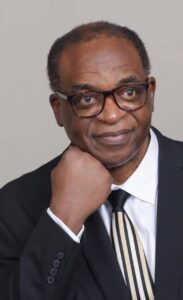
Isaac Megbolugbe
September 2026
Introduction
Faith-based living demands a fundamental shift in how we view time. In a modern culture addicted to instant gratification, the spiritual discipline of “sacred waiting” stands as a counter-cultural necessity. While God frequently communicates His desires and purposes through divine promises, the logistics of their fulfillment rest entirely on His timeline.
When believers attempt to wrest control from the Creator, they risk stalling their spiritual development and exposing themselves to severe vulnerability.
The Danger of Imposed Deadlines
Imposing deadlines on the Almighty is both unwise and spiritually hazardous. Treating God as a cosmic vending machine reduces faith to a transactional contract. When you demand fulfillment of self-proclaimed desires or self-imposed obligations, you practice presumption, not faith.
Testing God by demanding immediate action mirrors the very temptations Christ rejected in the wilderness. True sovereignty means God retains the absolute right to determine not just the what, but the when and the how.
Protecting the Body of Christ
A mature faith also protects the community of believers. It is ungodly witness to implicate or blame members of the Church for delays in your personal breakthroughs.
When a desired outcome fails to materialize on your schedule, projecting frustration onto leadership or peers breeds division. The Body of Christ is designed for mutual support, not to serve as a scapegoat for unfulfilled personal expectations.
The Realities of Christian Discipleship
The contemporary gospel of comfort misrepresents the historical and biblical realities of walking with God. Scripture establishes three pillars as normative for the Christian life:
Convenience, personal comfort, and material wealth are not the primary metrics of divine favor. Growth occurs in the wilderness, not in luxury.
The Enemy’s Foothold
Demanding immediate physical ease creates a dangerous spiritual vulnerability. A posture fixed on worldly material comfort offers the Devil an easy foothold.
If your primary priority is avoiding discomfort, the enemy can easily tempt you by offering alternative, shortcuts to satisfaction. He will gladly meet your material desires if it detours you from God’s narrow path. Receiving a desired object outside of God’s timing and will is never a blessing; it is a trap.
Biblical Precedents of Waiting and Presumption
The pages of Scripture consistently illustrate the contrast between sacred waiting and human manipulation:
Embracing the Posture of Trust
Sacred waiting is never passive wasting of time; it is active preparation. It is the crucible where God transforms your character to match the weight of your calling. By relinquishing deadlines and embracing service, you close the door to deception and step into authentic spiritual maturity.
The Illusion of “Faith” Without Capacity: Why Presuming on God’s Timeline Fails the Gospel Test
Faith-based living demands a fundamental shift in how we view time. In a modern culture addicted to instant gratification, the spiritual discipline of “sacred waiting” stands as a counter-cultural necessity. While God frequently communicates His desires and purposes through divine promises, the logistics of their fulfillment rest entirely on His timeline.
When believers attempt to wrest control from the Creator, they risk stalling their spiritual development and exposing themselves to severe vulnerability.
In contemporary Christian circles, the language of faith is frequently weaponized to mask financial presumption and spiritual impatience. Well-meaning believers often confuse a godly desire with a divine decree, stepping out on financial limbs and expecting God to perform a miracle to save them from a self-inflicted fall.
A recent dialogue illustrates this exact tension:
Titus: Is this what you are saying: My dream is to save 2.8 million Naira by the end of the year meaning saving about 700K every month.
David: Oh no sir. I don’t have the capacity to save that amount monthly for now. I’m just doing what I can by faith to raise the money while putting my trust and hope in God.
While David’s response sounds humble and pious on the surface, it reveals a deeply flawed understanding of Christian discipleship, sacred waiting, and the nature of biblical faith. When looked at through the lens of Scripture, this approach is not godly; it is an unbiblical pressure tactic disguised as trust.
The Danger of Imposed Deadlines
Imposing deadlines on the Almighty is both unwise and spiritually hazardous. Treating God as a cosmic vending machine reduces faith to a transactional contract. When you demand fulfillment of self-proclaimed desires or self-imposed obligations, you practice presumption, not faith.
David has set an arbitrary deadline: by the end of the year. He has also set a specific, rigid material target: 2.8 million Naira. By imposing this timeline, he is not waiting on God; he is trying to dictate terms to the Almighty. True faith does not give God a countdown clock. True faith surrenders the outcome, trusting that if the provision is from God, it will arrive on God’s schedule, not ours.
Setting a massive, unrealistic financial goal without the natural capacity to meet it (“I don’t have the capacity to save that amount“), and then labeling the gap “faith,” is simply demanding that God perform a miracle to satisfy a material dream.
When Christ was tempted in the wilderness to jump from the pinnacle of the temple, the Enemy told Him to rely on God’s protection. Christ responded, “You shall not tempt the Lord your God.” Testing God by demanding immediate action mirrors the very temptations Christ rejected in the wilderness. True sovereignty means God retains the absolute right to determine not just the what, but the when and the how.
Protecting the Body of Christ
A mature faith also protects the community of believers. David’s dialogue occurs in a relational context, answering to Titus. When believers announce these “faith goals” to others without the practical capacity to back them up, they subtly implicate the Body of Christ.
If David fails to meet his end-of-year target, his unfulfilled expectation can breed disillusionment. It forces others in his community to watch a self-imposed spiritual crisis unfold, or worse, pressures peers into financially rescuing a situation that God never authored.
When a desired outcome fails to materialize on your schedule, projecting frustration onto leadership or peers breeds division. The Body of Christ is designed for mutual support, not to serve as a scapegoat for unfulfilled personal expectations. A godly witness does not draw others into the wake of personal presumption.
The Realities of Christian Discipleship: Comfort vs. Character
The contemporary gospel of comfort misrepresents the historical and biblical realities of walking with God. Scripture establishes three pillars as normative for the Christian life:
Convenience, personal comfort, and material wealth are not the primary metrics of divine favor. Growth occurs in the wilderness, not in luxury.
The underlying motive of David’s goal centers entirely on a material milestone—raising millions of Naira. God is far more interested in developing a believer’s character through their current financial capacity than He is in matching a dream target by the end of December. Attempting to bypass the slow, grinding discipline of daily stewardship in the name of a sudden “faith breakdown” values financial comfort over spiritual maturity.
The Enemy’s Foothold
Demanding immediate physical ease creates a dangerous spiritual vulnerability. A posture fixed on worldly material comfort offers the Devil an easy foothold.
If your primary priority is avoiding discomfort, the enemy can easily tempt you by offering alternative, corrupt shortcuts to satisfaction. He will gladly meet your material desires if it detours you from God’s narrow path. When a believer demands 2.8 million Naira by a certain date, and God chooses to make them wait for character development, the Devil will gladly present an alternative shortcut. This could manifest as:
Receiving a desired object outside of God’s timing and will is never a blessing; it is a trap. When we demand material results outside of God’s capacity and timing, we invite counterfeit blessings that ultimately lead to spiritual ruin.
The High Cost of Haste: Biblical Warning Signs of Rushed Timelines
When human desire outpaces divine timing, the results are always catastrophic. Scripture does not hide the failures of those who tried to manipulate their way into immediate material or financial security. Their stories serve as a clear warning to modern believers who attempt to bypass their current capacity in the name of “faith.”
The Honor of Divine Timing: Biblical Models of Patient Provision
In stark contrast to those who crashed through divine boundaries for immediate gain, Scripture highlights individuals who treated material waiting as a holy assignment. They understood that waiting on God does not mean doing nothing; it means honoring your current capacity while God prepares both the provision and your character.
Embracing the Posture of Trust
Sacred waiting is never a passive wasting of time; it is active preparation. It is the crucible where God transforms your character to match the weight of your calling. By relinquishing deadlines and embracing service, you close the door to deception and step into authentic spiritual maturity.
Biblical faith is not an engine used to manifest large sums of money on a tight schedule. True faith is active obedience within your current reality. Godly stewardship means managing the small amount you do have the capacity to save, honoring God with your current resources, and resting contentedly in His timing. If a financial increase is part of God’s plan, He will expand your capacity naturally. Until then, the holiest thing a believer can do is stop pressuring the calendar, drop the self-imposed deadlines, and embrace the sacred discipline of waiting.
Isaac Megbolugbe, Director of GIVA Ministries International. He is a recipient of Albert Nelson Marquis Lifetime Achievement Award in business and academia in the United States of America. He is retired professor at Johns Hopkins University, Former Vice President at Fannie Mae, Former Practice Leader at PricewaterhouseCoopers, and a Fellow of the Royal Institution of Chartered Surveyors. He is resident in the United States of America.
