
My Journey of Collaborative Storytelling
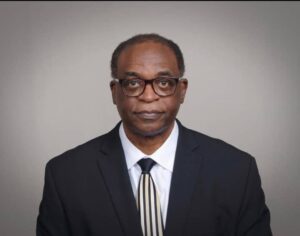
Isaac Megbolugbe
November 30, 2025
Introduction
As I set out to write my autobiography, I sought the perspectives of many people who have played significant roles in my life. I was eager to gather their insights, memories, and experiences to create a rich and nuanced narrative. However, I was surprised by the reluctance and even refusal of some individuals to collaborate.
The Reluctance to Share
I wondered about the reasons behind this reluctance. Was it fear of exposure, a concern about how their true character might be revealed? Perhaps it was a sense of incompetence or discomfort with vulnerability. Some might have preferred to maintain strategic ambiguity, avoiding clarity about their motivations or actions. Others might not have understood how their relationship fit into my life story or been unwilling to explore it openly.
My Reflection
As I reflected on these reactions, I realized that I had been naive to expect universal cooperation. Writing a memoir is a vulnerable process, and it’s natural for people to be protective of their own stories and legacies. I began to see that my desire for collaboration was, in part, a desire to validate my own experiences and memories. I also thought about the limits of collaborative storytelling, especially in the context of autobiographical storytelling.
A Shift in Approach
Given the challenges I faced, I decided to shift my approach. Rather than relying on specific collaborations, I would pursue thematic narratives informed by my experiences. This approach would allow me to capture the essence of my story without being beholden to specific factual contexts.
The Power of Themes
By focusing on themes, I can convey the depth and complexity of my experiences, even without explicit collaborations. I can explore the lessons I’ve learned, the challenges I’ve faced, and the triumphs I’ve celebrated. This approach also respects the boundaries of those who may not be willing or able to participate.
Benefits of Thematic Narratives
Creative Freedom: Thematic narratives offer the flexibility to explore themes and emotions without being tied to specific events or individuals.
Authentic Storytelling: By focusing on themes, you can convey the depth and complexity of your experiences, even without explicit collaborations.
Respect for Boundaries: This approach respects the boundaries of those who may not be willing or able to participate.
My Story, My Way
Writing my autobiography is a journey of self-discovery, and I’m embracing the process. I’m grateful for the experiences and relationships that have shaped me, and I’m excited to share my story, my way.
As I’ve reflected on my life, I’ve realized that writing has been a therapeutic outlet for me. Over the years, particularly in my 70s, I’ve published several articles on various aspects of life experience. These writings have allowed me to process my thoughts and memories and formulate my first take on these stories with the benefit of hindsight.
A Therapeutic Journey
Writing these stories has been a healing experience, awakening my intellect to think about my life in the context of broader human experiences. I’ve begun to see my life as part of a larger narrative, one that’s connected to the complexities and challenges of the world around me. This journey has also deepened my understanding of my faith life, and how it intersects with the world.
The Power of Themes
I’ve chosen a thematic approach to my autobiography, which has allowed me to investigate fundamental issues about human existence and life. I’m exploring the intersection of God’s laws and human behavior, and how these frameworks shape our individual and collective lives. This approach has given me the freedom to delve into the complexities of human experience, and to share my insights and reflections with others.
A Story of Faith and Life
My story is one of faith, family, and relationships. It’s a story of struggles and triumphs, of lessons learned and wisdom gained. As I share my story, my way, I hope to inspire others to reflect on their own journeys, and to find meaning and purpose in their own experiences.
The Limits of Collaborative Storytelling in Autobiographical Narrative
Collaborative storytelling, where multiple voices and perspectives are woven together to create a narrative, can be a powerful tool for autobiographical storytelling. However, as I’ve discovered, there are limits to this approach.
Challenges of Collaboration
When inviting others to share their perspectives on my life, I encountered several challenges. Some individuals were hesitant to participate, citing concerns about vulnerability, exposure, or discomfort with the process. Others were unsure about their role in my story or struggled to articulate their experiences.
The Risk of Fragmentation
Collaborative storytelling can also lead to fragmentation, where multiple voices and perspectives create a disjointed narrative. This can be particularly challenging in autobiographical storytelling, where the goal is to create a cohesive and meaningful narrative about one’s life.
The Importance of Authorial Control
As the author of my own story, I realized that I needed to maintain control over the narrative to ensure that it accurately reflected my experiences and insights. While collaboration can be valuable, it’s essential to recognize the limits of others’ perspectives and experiences.
The Power of Thematic Narratives
In response to these challenges, I’ve turned to thematic narratives, which allow me to explore specific themes and ideas in my life without relying on explicit collaboration. This approach has given me the freedom to craft a cohesive and meaningful narrative that reflects my experiences and insights.
Lessons Learned
Through this process, I’ve learned that while collaboration can be valuable, it’s essential to recognize its limits. Autobiographical storytelling is, ultimately, a personal and individual endeavor. By embracing thematic narratives, I’ve found a way to share my story in a way that’s authentic and meaningful, while respecting the boundaries of others.
Concluding Remarks: Embracing My Story, My Way
As I bring this reflection to a close, I’m reminded that writing my autobiography is a journey of self-discovery and empowerment. The reluctance and refusal of some individuals to collaborate have taught me a valuable lesson: that my story is mine alone to tell, and I must tell it my way.
The Freedom of Solo Storytelling
I’ve come to realize that the limits of collaborative storytelling are not limitations, but rather opportunities to explore new ways of storytelling. By embracing a thematic approach, I’ve discovered the freedom to weave together the threads of my experiences, insights, and reflections into a narrative that’s authentic and meaningful.
A Story of Resilience and Hope
My autobiography is a story of resilience, hope, and faith. It’s a testament to the power of storytelling to heal, inspire, and connect us. As I share my story, my way, I hope to inspire others to embark on their own journey of self-discovery, and to find the courage to tell their own stories, unapologetically and authentically.
The Gift of My Story
I offer my story as a gift to those who will receive it, with the hope that it might encourage, inspire, and challenge them to live their lives with purpose, passion, and faith. My story is not just mine alone; it’s a part of the larger narrative of humanity, and I’m grateful to be a part of it.
In the end, I’ve learned that writing my autobiography is not just about me; it’s about the One who has been with me throughout my journey, guiding, sustaining, and loving me every step of the way. Soli Deo Gloria!
Isaac Megbolugbe, Director of GIVA Ministries International is focused on empowering believers to embrace a grace-driven life of holiness and obedience, passionately pursuing a deeper relationship with God within the boundaries of His sovereignty, and reflecting Christ’s character in their daily lives. He is retired professor at Johns Hopkins University, member of 2024 Marquis Organization’s Class of Top Executives in the United States of America and a Fellow of the Royal Institution of Chartered Surveyors. He is resident in the United States of America
