
The Architecture of Redemption: Sonship, Grace, and the Unshakable Foundation of the Gospel
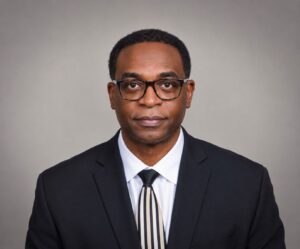
Isaac Megbolugbe
July 7, 2026
Preface: A Meeting of Minds and the Freedom of Faith
This article was conceived in the wake of a deeply moving academic and spiritual dialogue with a colleague. In our discussion, we wrestled with our varying faith practices and the ways we reconcile our respective academic disciplines—specifically the fields of literature and economics—with our devotion to God. The meeting of our minds served as a profound reminder that while our intellectual labors may differ, and our human interpretations will always be limited, our ultimate standing before God is not a product of our perfection. Rather, it is anchored in a shared surrender to divine grace. This reflection is dedicated to that conversation, celebrating our human imperfections in the brilliant light of God’s absolute sufficiency.
The Confession of Sonship: The Bedrock of the Church
The Christian faith rests upon a specific, divinely ordered structural design. At the core of this redemption architecture are two non-negotiable pillars: the absolute Sonship of Jesus Christ and the imperative of divine grace. Together, these realities form the sum total and essence of the Gospel. Without them, the message of the cross is reduced to mere moral philosophy. With them, it becomes the ultimate demonstration of God’s saving power.
The structural integrity of this redemptive plan is perfectly illustrated in the historical exchange between Jesus and His disciples in Caesarea Philippi. When Jesus asked, “Who do you say that I am?” the Apostle Peter answered with definitive clarity:
“You are the Christ, the Son of the living God.” (Matthew 16:16)
This declaration was not a product of human intellect or academic deduction. Jesus immediately identified it as a direct revelation from the Father. Upon this specific truth—the identity of Jesus as the divine Son and the promised Messiah—Jesus made an absolute structural promise:
“On this rock I will build My church, and the gates of Hades shall not prevail against it.” (Matthew 16:18)
The “rock” is the foundational truth of Christ’s Sonship. Because Christ is the eternal Son, the Church He builds is structurally indestructible. The gates of hell cannot prevail against it because its foundation does not rely on human strength, cultural relevance, or religious intellect. It rests entirely on the sovereign identity of the Savior.
The Architecture of Sovereign Grace: Ephesians 2
If the Sonship of Christ provides the immovable foundation, the imperative of grace is the active power that secures the believer’s salvation. Ephesians 2:8-9 serves as the definitive blueprint for how this salvation is acquired, stripping away all human boasting to highlight the absolute necessity of divine favor: [1]
“For by grace you have been saved through faith, and that not of yourselves; it is the gift of God, not of works, lest anyone should boast.”
Paul uses precise structural logic to dismantle human pride:
By establishing salvation as an unmerited gift, God ensures its absolute security. If our salvation depended on our performance, intellect, or doctrinal perfection, it would remain perpetually unstable. Instead, Ephesians 2 anchors the believer’s soul in the unchangeable character of God. We do not work for salvation; we work from salvation.
The Testing of Earthly Labor: 1 Corinthians 3
While Ephesians 2 secures the believer’s position, 1 Corinthians 3:11-15 addresses the evaluation of the believer’s earthly production. It introduces the sobering reality of the refining fire:
“For no other foundation can anyone lay than that which is laid, which is Jesus Christ. Now if anyone builds on this foundation with gold, silver, precious stones, wood, hay, straw, each one’s work will become clear… because it will be revealed by fire; and the fire will test each one’s work, of what sort it is.”
This passage draws a sharp, vital distinction between the security of the soul and the value of human labor:
The Intersection: Loss of Rewards vs. Absolute Security
The climax of Paul’s architectural metaphor in 1 Corinthians 3 provides immense comfort to the trembling believer:
“If anyone’s work is burned, he will suffer loss; but he himself will be saved, yet so as through fire.” (1 Corinthians 3:15)
This is the ultimate intersection of human limitation and divine sufficiency. A believer’s career outputs, academic theories, or cultural contributions may turn out to be “filthy rags” (Isaiah 64:6) or “straw” before God. They may suffer the loss of those works in eternity.
Yet, their salvation remains entirely untouched. The fire tests the work, not the soul. Because the believer is anchored to the foundation of Christ’s Sonship, they emerge from the fire fully saved, fully justified, and fully clothed in the righteousness of Christ. Our ultimate hope is never tied to the quality of our earthly output, but to the finished work of the Son who holds us secure.
Embracing Human Limitation in View of God’s Sufficiency
Recognizing the perfection of God’s redemption architecture forces an essential posture of humility. When we view our careers, academic disciplines, and daily labors through the lens of the Gospel, we must admit our inherent imperfections.
Our earthly pursuits—whether analyzing secular literature or developing economic models—are subject to the limitations of a fallen world. They may be imperfect, flawed, and ultimately subject to the refining fire of the Lord.
Yet, the Gospel ensures that our human limitations do not threaten our spiritual security. The clarity of Peter’s confession reminds us that our souls are anchored in a person, Jesus Christ, whose power is made perfect in our weakness. We can celebrate our limitations because they serve as the dark backdrop that highlights the brilliant, overwhelming sufficiency of God’s grace.
Isaac Megbolugbe, Director of GIVA Ministries International. He is a recipient of Albert Nelson Marquis Lifetime Achievement Award in business and academia in the United States of America. He is retired professor at Johns Hopkins University and a Fellow of the Royal Institution of Chartered Surveyors. He is resident in the United States of America
