
Divine Sovereignty and the True Nature of Forgiveness
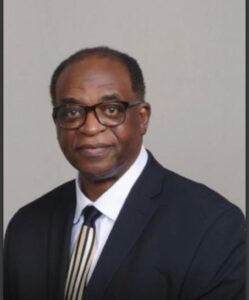
Isaac Megbolugbe
June 19, 2026
True forgiveness serves primarily as a protective boundary for the offended rather than a mere pardon for the offender. It functions to prevent the victim from falling into the snares of bitterness and vengeance, both of which are spiritually detrimental. Holding onto anger and pursuing human retribution are fundamentally sinful in the presence of God.
This spiritual truth is why Scripture explicitly declares that vengeance belongs to the Divine, not to humanity [Deut 32:35].
The consequences of wrongdoing are woven into the very fabric of creation, ultimately yielding spectacular accounts of reconciliation in the divine ledger.
The Macrocosm of Divine Reckoning
On a national scale, the deterioration of civility, broadening mental health crises, and adverse geopolitical realities currently facing the country can be viewed as part of this divine reckoning. When a nation strays from its aspirations of becoming a more inclusive and “perfect union,” its retreat from these ideals naturally introduces societal fractures
Personal Transformation and Spiritual Congruence
Understanding these profound theological implications transforms the way we interact with the world. Through reflecting on institutional philosophies—such as the commitment to diversity and inclusion championed by organizations like Fannie Mae and the community-focused vision of Johns Hopkins—we can glean deeper insight into the complexities of human equity and divine justice. When you encounter blatant and brutal violations of these commitments, you walk away or you are pushed aside, but you learn to leave vengeance to the Lord. Recognizing these institutional and theological truths transforms a person into a living witness to the sovereignty of God. In navigating life’s multifaceted challenges, the wisdom of Romans 8:28—which assures believers that all things work together for good for those who love God and are called according to His purpose—serves as a grounding motto. It empowers the faithful to live as a unified self, acting in perfect congruence with the Divine. I hope this theological note helps you understand my mindset as I look toward 75 in February 2 next year.
