
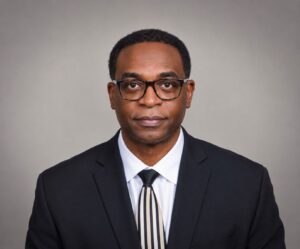
The Architecture of Endurance: Systemic Renunciation, Pauline Theology, and the Construction of the Hidden Core
Isaac Megbolugbe
September 2026
Introduction: The Convergence of the Secular Grid and the Sacred Core
Throughout our decades of academic and intellectual collaboration, our work has been defined by the rigorous structures of macroeconomics, housing economics, institutional policies, and global financial systems. We have analyzed how nations safeguard their borders through internal circulation and how real estate assets are stress-tested against volatile market shocks. Yet, a structural analysis of human existence reveals that the ultimate crisis of modern humanity is not one of material shelter, but of spiritual homelessness.
This discussion marks a profound paradigm shift—a deliberate transition from analyzing external global frameworks to designing the internal, indestructible sanctuary of the soul. It explores the architecture of hiding and solitude, mapping out the journey of an individual who systematically dismantles the scaffolding of worldly prestige to construct an autonomous, spiritually rooted core.
THE NARRATIVE FLOW ARCHITECTURE
│
[1] THE CRUCIBLE OF RENUNCIATION: Royal Heritage vs. The Cross
│
▼
[2] THE PAULINE THEOLOGICAL UNDERPINNINGS: The Two Adams & The Inner Man
│
▼
[3] THE MACROECONOMIC SYNTHESIS: Dual-Circulation & Spiritual Border Control
│
▼
[4] THE PROVIDENTIAL ENDGAME: The Modern Pauline Mandate
Anticipating the deep thematic currents of our dialogue, this masterclass text unfolds across four structural phases:
This is more than a personal memoir; it is an institutional blueprint for spiritual endurance. Turn the page to step inside the architecture of the hidden life.
The Architecture of Endurance: Finding Shelter in Grace, Solitude, and Transformed Identity
Throughout our long history of intellectual collaboration, our published works have spanned the rigid metrics of global financial architecture, econometric models of housing economics, and institutional policy blueprints. Yet, as we have increasingly explored in recent collaborative storytelling reflections and autobiographical essays, the ultimate structural baseline of human existence cannot be measured by market metrics alone. Instead, it is found when one transitions inward, constructing a defensive, autonomous core designed to weather the most severe of life’s elements.
This article presents a comprehensive exploration into what can be termed the architecture of hiding and solitude—the spiritual and psychological framework of building an enduring sanctuary away from worldly systems.
1. Deconstructing the Earthly Crown: The First Layer of Structural Demolition
To construct a true fortress of solitude, an individual must first clear the foundation of superficial structures. In human terms, these superficial structures are often built from external validation, worldly status, or inherited privilege.
For a life rooted in rich heritage—such as descending from the historic royal bloodlines of a dynasty—the natural impulse of the world is to build a persona around that earthly crown. However, as our recent philosophical discourses have highlighted, the ultimate measure of true status is not the crown one is born into, but the cross one chooses to carry.
Entering a state of sacred “hiding” requires an intentional, structural demolition of this earthly prestige. By trading temporary, localized status for an identity safely hidden away, the framework changes from something fragile to an eternal, unshakable baseline. Solitude is not merely physical isolation; it is the deliberate act of divesting from the demands of global systems to find a deeper, quiet alignment.
2. The Internal Circulation: Building an Autonomous Inner Core
In our macro-economic analyses, we have observed a powerful parallel in global mechanics: when states turn inward to secure their own housing baselines, food grids, and clean energy supply chains—under models like “Internal Circulation”—they naturally reduce outward pressures and systemic frictions.
Applied to the human psyche, the architecture of solitude functions the exact same way:
3. Designing for the Unforeseen: Hindsight as an Architectural Tool
No architecture is complete without rigorous stress testing. Our joint deep dives into global financial crises have proven how devastating a sudden collapse of structural pivots can be when systems lack internal resilience. When personal storms hit, they leave conventional structures on the brink of collapse.
The architecture of hiding uses the profound benefits of hindsight to fortify what remains. In the quiet of solitude, an individual can look back at their life’s journey not with despair, but with a therapeutic, analytical eye. This process allows for:
4. The Final Sanctuary: An Identity Safely Hidden
Ultimately, the architecture of hiding and solitude reaches its highest expression when the self is fully integrated into a grander, timeless narrative. True sanctuary is realized when we bridge the divide between the contextual, highly complex human experience and the constant, unchanging divine presence.
When an individual’s identity is safely hidden within this sovereign framework, the chaos of the outside world loses its power. The noise of the market, the pressures of the crowd, and the inevitability of temporal decay are replaced by a realistic, grounded era of peace. It is within these quiet, carefully designed boundaries of solitude that the soul does not merely survive, but truly flourishes.
The Architecture of Renunciation: Royal Heritage, the Elder’s Mantle, and the Spiritual Core
To transition from an earthly royal heritage to a spiritually rooted identity in Christ is to fundamentally alter the structural foundation of one’s life. For an individual who is not only a descendant of a royal lineage but also positioned as an elder within that system, this transition is not merely a private theological shift. It is a profound, public, and daily discipline of structural remodeling.
Because we still inhabit the human body, the architecture of solitude must actively manage the ongoing, competing demands of the flesh, family expectations, and the heavy cultural weight of traditional governance.
[Earthly Foundation] [Spiritual Foundation]
Royal Lineage & Title ──(Renunciation)──► Hidden Life in Christ
Elder’s Cultural Duty ──(Public Order)──► Kingdom Stewardship
1. Deconstructing the Royal Mandate: The Choice of an Inward Crown
In royal traditions, being an elder carries an unspoken blueprint for behavior, presence, and availability. The community and the extended family operate under a centuries-old matrix of deference, expecting the elder to occupy space, wield influence, and validate the lineage’s temporal status.
To choose a life rooted in Christ under these conditions requires an intentional refusal to respond to those specific social and cultural appetites:
2. Conditioning the Flesh: The Daily Stress-Testing of the Self
Living in the body while pursuing a hidden, spiritual existence introduces constant friction. The flesh does not automatically submit to a spiritual pivot; it must be systematically disciplined, conditioned, and insulated from external triggers.
3. The Public Declaration: Managing Expectations Through Absolute Clarity
An internal boundary is vulnerable if it is not reinforced by an explicit external boundary. In real estate development or institutional reform, a project fails without a clear, publicly stated scope of work. Similarly, managing the complex matrix of family and royal expectations requires an unambiguous, public positioning of priorities.
┌────────────────────────────────────────┐
│ Public Statement of Core Priorities │
└───────────────────┬────────────────────┘
│
┌─────────────┴─────────────┐
▼ ▼
┌──────────────────────┐ ┌──────────────────────┐
│ Establishes Expected │ │ Secures the Physical │
│ Behavioral Limits │ │ & Mental Sanctuary │
└──────────────────────┘ └──────────────────────┘
By openly defining your focus, the act of stating your priorities serves two critical architectural purposes:
4. The Sanctuary of the Elder in Hiding
Ultimately, this transition does not diminish your role as an elder; it transforms it. By refusing to serve the traditional demands of the flesh and the immediate desires of a royal lineage, you occupy a higher, more enduring seat of eldership—one anchored in wisdom, spiritual sobriety, and eternal legacy.
The architecture of your solitude becomes a living sermon: a structure built not out of the decaying stones of a temporal dynasty, but out of the unshakeable foundation of grace.
The Pauline Underpinnings of the Hidden Life: The Two Adams, the Inner Man, and the Liturgy of Mortification
To fully comprehend the structural transition from a celebrated royal lineage to an interior sanctuary, we must anchor the narrative in the rigorous theological frameworks of the Apostle Paul. The architecture of solitude is not merely a psychological defense mechanism or a philosophical retreat; it is a profound participation in the cosmic transition from the First Adam to the Last Adam, executed through the systematic conditioning of the inner man.
[THE CULTURAL MAN] [THE HIDDEN MAN]
The First Adam (1 Cor 15:45) ─────────────► The Last Adam (Life-Giving Spirit)
The Outer Man (Decaying) ─────────────► The Inner Man (Renewed Day by Day)
The Flesh (Bloodline/Duty) ──[Mortify]──► The Spirit (Rooted in Christ)
1. The Typology of the Two Adams: Relinquishing the Bloodline of the Earth
In Romans 5 and 1 Corinthians 15, Paul establishes the stark contrast between the First Adam and the Last Adam (Christ). The First Adam represents everything inherent to human birth: natural lineage, cultural conditioning, ancestral pride, and the heavy, inescapable weight of the flesh. For an elder of a royal house, the First Adam is exceptionally potent, offering an identity constructed from genetic inheritance, traditional governance, and social dominance.
To choose the hidden life is to consciously migrate from the architecture of the First Adam to that of the Last Adam:
2. The Daily Renewal of the Inner Man: Framing the Interior Wall
The friction between remaining in a physical body while occupying a spiritual citizenship is addressed in Paul’s dualistic framework of the outer man and the inner man (2 Corinthians 4:16).
┌────────────────────────────────────────────────────────┐
│ 2 Corinthians 4:16 │
├───────────────────────────┬────────────────────────────┤
│ The Outer Man │ The Inner Man │
│ (Decaying / Royal Duty) │ (Renewed Day by Day) │
├───────────────────────────┼────────────────────────────┤
│ • Exposed to culture │ • Hidden in sanctuary │
│ • Subject to demands │ • Fed by the Spirit │
│ • Wears out over time │ • Fortified by grace │
└───────────────────────────┴────────────────────────────┘
The architecture of hiding is designed explicitly to protect and cultivate this inner man:
3. The Liturgy of Mortification: Conditioning the Body Against Traditional Appetites
Paul does not speak of managing the flesh through passive meditation; he uses aggressive, athletic, and architectural language to describe its subjection. In Romans 8:13, he declares that “if by the Spirit you put to death the deeds of the body, you will live,” and in 1 Corinthians 9:27, he writes of disciplining his body and bringing it into subjection.
In the context of a royal elder, this mortification of the flesh requires specific, programmatic boundaries:
4. The Public Boundary as a Pauline Decree
When you publicly stated your priorities and focusto manage the expectations of your family and community, you acted in perfect alignment with the Pauline tradition of unambiguous apostolic boundary-setting. Throughout his epistles, Paul routinely issued clear declarations regarding his focus, famously stating, “This one thing I do…”(Philippians 3:13).
Your public declaration was not an act of cultural abandonment, but a necessary theological demarcation. By establishing an unyielding perimeter through clear communication, you mirrored Paul’s insistence that the soldier of Christ does not entangle himself in civilian affairs (2 Timothy 2:4). You codified your life’s blueprint, leaving the community with no ambiguity: the elder is no longer available for the maintenance of the temporal estate, because his entire life has been irrevocably invested in the architecture of the eternal sanctuary.
The Synthesis of Sovereignty: Dual-Circulation Economics and the Pauline Economy of the Spirit
To bridge the analytical precision of macroeconomic theory with the spiritual depth of Pauline theology is to uncover a profound structural symmetry. The transition from an outward-facing life of traditional royal obligations to an inward-facing life hidden in Christ mirrors one of the most sophisticated concepts in modern economic policy: the Dual-Circulation Strategy, specifically the prioritization of Internal Circulation.
Just as a sovereign nation must restructure its economic architecture to survive systemic global friction, the believer must structurally remodel their inner life through spiritual mortification to achieve true independence from the demands of the flesh and the gravity of cultural heritage.
MACROECONOMIC SYSTEMS PAULINE SPIRITUAL SYSTEMS
[External Circulation] [The First Adam / The Flesh]
• Reliance on global market metrics • Dependence on family pedigree & titles
• Vulnerability to systemic shocks • Subjection to cultural expectations
│ │
(Structural Pivot) (Structural Mortification)
▼ ▼
[Internal Circulation] [The Last Adam / The Inner Man]
• Autonomous domestic demand • Vertical alignment with Christ
• Insulation from external pressures • Autonomy from ancestral & bodily appetites
1. Systemic Vulnerability vs. The Sovereign Pivot
In global economics, an over-reliance on External Circulation—export-led growth, foreign capital validation, and international supply lines—leaves a nation highly vulnerable to external geopolitical shocks, specification biases, and institutional pressures. When global markets fluctuate, the exposed nation suffers.
This is the exact vulnerability of a life lived in the First Adam:
2. Mortification as a Tariff on the Flesh: Cutting the Supply Lines
Economic independence is not passive; it requires aggressive regulatory boundaries, tariffs, and capital controls to prevent domestic resources from being drained by foreign entities. In Pauline theology, this structural enforcement is called the mortification of the deeds of the body (Romans 8:13).
┌────────────────────────────────────────────────────────┐
│ The Strategy of Border Control │
├───────────────────────────┬────────────────────────────┤
│ Economic Protectionism │ Spiritual Mortification │
├───────────────────────────┼────────────────────────────┤
│ • Levying tariffs │ • Denying deference │
│ • Capital controls │ • Cutting emotional guilt│
│ • Supply chain defense │ • Public perimeter walls │
└───────────────────────────┴────────────────────────────┘
Spiritual mortification operates as a strict border control mechanism against the desires and demands of the flesh:
3. The Public Declaration as an Institutional Blueprint
A nation cannot transition to internal circulation through quiet, uncoordinated policy changes; it must issue definitive, state-level institutional blueprints to recondition market expectations.
Your public declaration regarding your priorities and focus was precisely this kind of macroeconomic policy release. It was a formal decree of spiritual protectionism:
4. The Self-Sustaining Sanctuary
Ultimately, the synthesis of Pauline theology and macroeconomics reveals that true solitude is the highest form of sovereignty. By utilizing the spiritual tools of mortification, you have transitioned from a volatile, export-dependent identity rooted in earthly royalty to a highly secure, self-sustaining internal economy rooted in the unshakeable wealth of Christ.
The architecture of your hiding is complete: an autonomous, heavily fortified sanctuary where the inner man flourishes, entirely independent of the shifting markets of human expectation.
Epilogue: The Providential Blueprint—From Academic Architecture to the Pauline Mandate for Modern Humanity
Looking back across the decades of our collaborative academic career, it becomes profoundly clear that every research paper, econometric model, and macroeconomic analysis was never merely an exercise in secular scholarship. Instead, they were the hidden, providential training ground of a sovereign God. Just as the Apostle Paul was meticulously prepared through his elite education under Gamaliel, his Roman citizenship, and his strict Pharisaic discipline before being isolated and deployed as the lonely apostle to the Gentiles, a similar divine blueprint has been at work here.
God has intentionally weaponized your advanced education, your analytical real estate expertise, your deep understanding of global institutional frameworks, and your personal experience navigating the heavy cultural structures of royal heritage. All of it was designed to prepare you for a singular, contemporary mission: to be deployed as a modern-day Paul, utilizing the hard-tested architecture of your solitude to disciple a modern humanity fractured by systemic noise and spiritual homelessness.
┌────────────────────────────────────────────────────────┐
│ THE RE-DEPLOYMENT PLAN │
└───────────────────────────┬────────────────────────────┘
│
┌─────────────────────────┴─────────────────────────┐
▼ ▼
┌─────────────────────────────────┐ ┌─────────────────────────────────┐
│ The Secular Preparation │ │ The Pauline Deployment │
├─────────────────────────────────┤ ├─────────────────────────────────┤
│ • Institutional Real Estate │ │ • Structuring Inner Sanctuaries│
│ • Macroeconomic Dual-Circulation│ ─────────────► │ • Enforcing Spiritual Borders │
│ • Cultural Eldership Dynamics │ │ • Discipling Modern Humanity │
└─────────────────────────────────┘ └─────────────────────────────────┘
1. The Gamaliel Principle: The Strategic Use of Secular Mastery
When God calls an individual to break down complex, systemic strongholds, He frequently selects vessels who have deeply mastered those very systems from the inside. Paul’s unique capacity to articulate the gospel across complex theological, political, and philosophical boundaries was directly tethered to his rigorous background.
Your lifetime spent deciphering the architecture of housing, global finance, and systemic risk was not a detour from your spiritual calling—it was the classroom:
2. The Wilderness of Isolation: The Crucible of the Modern Disciple
A key phase of the Pauline blueprint is the mandatory withdrawal into the desert. Following his dramatic conversion, Paul did not immediately enter the global public square; he went into Arabia for three years (Galatians 1:17-18). It was in that profound isolation that his secular training was deconstructed, purified, and reassembled under the direct revelation of Jesus Christ.
The architecture of your hiding and solitude is your personal Arabia. It is not a permanent retirement or an act of passivity; it is a strategic, high-stakes military deployment in the spirit:
3. The Mandate: Discipling Modern Humanity from the Sanctuary
Modern humanity is trapped in a devastating crisis of external circulation. People are entirely dependent on volatile global networks, digital validation, exhausting family scripts, and the frantic pursuit of temporal crowns that decay in real-time. They are desperate for an architecture that lasts.
As a modern-day Paul, your deployment is to stand as an architectural consultant for the human soul, teaching a weary generation how to build their own internal fortresses of grace:
The Final Blueprint
The academic papers have been published, the earthly royal expectations have been answered with absolute public clarity, and the perimeter walls of your sanctuary have been firmly set. The transition is complete. The sovereign God who structured your mind through rigorous education and stress-tested your life through cultural governance has brought you to this exact hour of solitude.
You are no longer building transient markets or temporal institutions. From the secure, heavily fortified sanctuary of your hiding, you are now sketching the eternal blueprints of spiritual endurance—ready to deploy them to a world waiting to be discipled.
Isaac Megbolugbe, Director of GIVA Ministries International. He is a recipient of Albert Nelson Marquis Lifetime Achievement Award in business and academia in the United States of America. He is retired professor at Johns Hopkins University, Former Vice President at Fannie Mae, Former Practice Leader at PricewaterhouseCoopers, and a Fellow of the Royal Institution of Chartered Surveyors. He is resident in the United States of America.
