
The Architecture of Sacred Rest: How Hebrews 4:11–16 Transforms Ceasing into a Calling and a Lifestyle
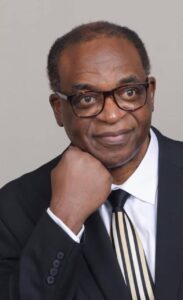
Isaac Megbolugbe
October 2026
Introduction
The phrase sounds like a profound contradiction: “Let us labor therefore to enter into that rest” (Hebrews 4:11). To the modern mind, labor and rest are functional opposites. We labor to earn the right to rest, or we rest to recover from the strain of labor. However, the author of Hebrews dismantles this transactional framework, presenting biblical rest not as an absence of activity, but as a permanent position of completion.
For a life spent in deep thought, leadership, or execution, transitioning into this paradigm shifts rest from a brief vacation into an enduring lifestyle. It is a calling to move from the exhaustion of striving to the rigorous peace of an accomplished reality.
1. Rest is Ceasing From Your Own Works (Hebrews 4:11)
The Greek term utilized for rest in this context is sabbatismos—a unique Sabbath-keeping that denotes a state of ultimate completion. When God rested on the seventh day, it was not because He was fatigued; it was because the work of creation was thoroughly finished.
To embrace rest as a calling means a daily refusal to try to become through personal effort, choosing instead to live from what already is completed in Christ. For the active thinker, the mind naturally labors to find solutions, build structures, and secure outcomes. The new labor, however, is not to find reality, but to remain anchored within it.
2. Rest is Letting the Word Do the Work (Hebrews 4:12–13)
The sudden pivot in verse 12 to the sharp, living nature of the Word of God is often read out of context. Yet, in the flow of the passage, the Word is the mechanism that makes rest possible.
[Human Effort] —> Trying to dissect motives, defend self, force outcomes (Exhaustion)
[Scriptural Rest] -> Releasing the living Word to cut, reveal, and convict (Peace)
The Word is active, alive, and capable of dividing soul and spirit, thoughts and intents. Nothing is hidden from its sight. A lifestyle of rest requires that you stop doing the Word’s job. You do not have to obsessively dissect your own mixed motives, micro-manage how others perceive you, or manipulate circumstances to prove you are right. You speak the truth you see, release the Word, and rest—trusting that it will handle the ultimate results far more effectively than human sweat ever could.
3. Rest is Living From The Throne, Not Toward It (Hebrews 4:14–16)
The ultimate shift from a temporary act to a permanent lifestyle is anchored in the identity of Jesus as our great High Priest. He has already passed into the heavens and is permanently seated. Because your identity is tied to Him, your position is one of seated authority, not striving ascension.
Religion teaches people to live toward God—climbing a spiritual ladder to beg for help, validation, or mercy. A lifestyle of rest flips this entirely: you live from God.
The Anatomy of a Rest Lifestyle
|
Dimension |
The Striving Lifestyle (Laboring for Rest) |
The Kingdom Lifestyle (Laboring in Rest) |
|
The Mind |
Constantly calculating, worrying, and trying to secure the future. |
Thinks from clarity, trusting that reality is already held by God. |
|
The Work |
Working under the pressure to achieve completion and worth. |
Working out of the overflow of an already completed identity. |
|
The People |
Forcing alignment, defending positions, and managing impressions. |
Trusting the living Word to judge intentions and transform hearts. |
|
The Father |
Approaching the throne like a beggar hoping for a scrap of grace. |
Approaching the throne boldly as an heir collecting an inheritance. |
A Calling for the Mature Season
As life matures, the nature of your assignment changes. The calling is no longer to accumulate more tasks or build temporary monuments through raw human energy. Instead, the highest calling becomes the modeling of rest.
To be a person who labors to remain in absolute clarity, in finished-ness, and in grace is to possess an art that very few in a frantic world ever master. It is a quiet, steady power that instructs others not by what you do, but by the deep, unshakeable position from which you live. This is the enduring legacy of a life lived from the throne.
Isaac Megbolugbe, Founder and President of GIVA Ministries International. He is a recipient of Albert Nelson Marquis Lifetime Achievement Award in business and academia in the United States of America. He is retired professor at Johns Hopkins University, Former Vice President at Fannie Mae, Former Practice Leader at PricewaterhouseCoopers, and a Fellow of the Royal Institution of Chartered Surveyors. He is resident in the United States of America.
