
The Futility of the Counterfeit: Why Human History Vindicates the Divine Architecture of Purpose
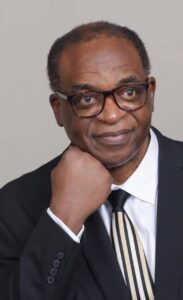
Isaac Megbolugbe
September 2026
Introduction
For generations, the modern world has engaged in a massive, systemic experiment: the attempt to construct a coherent human identity independent of the transcendent. Two distinct yet overlapping frameworks address this phenomenon: the theological critique of Professor Isaac Megbolugbe and the socio-cultural analysis of NYT columnist David Brooks in his seminal The Atlantic essay, “The New Old Age”. While both authors diagnose the same structural rot—a life warped by performance metrics—they prescribe drastically different remedies for restoring human essence. The experiment to construct a coherent human identity independent of the transcendent was examined through various lenses—examining the post-career existentialdread that leaves high-achieving professionals fragmented, empty, confused, and anxious. David Brooks’s civic prescription of moving from “mastery to service” can be compared with Professor Isaac Megbolugbe’s vertical demand for divine accountability. Yet, when we step back to evaluate the broad sweep of human history, a singular, undeniable truth emerges. A genuine life of meaning and purpose can never be found outside God’s architecture of creation, redemption, and restoration narrated in the Holy Scriptures. Every human effort to the contrary has proven to be an empty counterfeit.
The modern tragedy of retirement is not a mechanical failure of public policy or a mere psychological bump in the road; it is the historical bill coming due for a society built on a lie. By partitioning existence into sacred and secular spaces, humanity attempted to decouple human functioning from divine essence. We were promised that by liberating our labor, our science, and our statecraft from the “tyranny” of sacred covenants, we would achieve ultimate self-actualization. History has definitively shown us the opposite. Left to our own devices within the vacuum of the secular space, we did not find liberation. Instead, we built a meritocratic treadmill that turns our very careers into false idols, demanding total devotion only to leave us discarded and spiritually bankrupt in the final acts of our lives.
The profound error of secular solutions—even noble ones like Brooks’s civic engagement or university “encore” programs—is that they treat the symptoms of this bankruptcy while ignoring the disease. They attempt to heal a shattered soul by sending the individual back into the same institutional, performance-driven frameworks that broke them in the first place. This is the definition of a structural delusion. Philanthropic workism is simply corporate workism in a more respectable cloak. It relies on the same counterfeit premise: that human beings can manufacture their own “essence” through self-authored actions, strategic optimization, and horizontal social metrics.
Scripture and historical reality stand as an unyielding wall against this delusion. They remind us that the human soul possesses a specific, unalterable design that cannot be satisfied by secular substitutes:
When human history is viewed clearly, the secular spaces we have constructed are revealed for what they truly are: temporary, fragile scaffolding. Attempting to extract ultimate meaning from them is like chasing a mirage in a desert. True, unshakeable alignment cannot be engineered by human hands or institutional designs. It requires stepping off the self-optimization treadmill entirely, abandoning the sophisticated counterfeits of the age, and surrendering to the permanent, ancient blueprint laid out by the Architect of the universe.
The Crisis of the Encore—Reclaiming Essence in God’s Architecture
Executive Summary
A lifetime of relentless careerism leaves many modern retirees feeling fragmented, empty, confused, and anxious. Having spent decades equating identity with achievement, they hit a sudden standstill upon retirement, triggering a deep existential crisis. This brief synthesizes a multi-part investigation into this phenomenon. It contrasts the civic, socio-cultural remedies of New York Times columnist David Brooks with the rigorous theological critique of Professor Isaac Megbolugbe.
Ultimately, this analysis moves beyond contemporary social frameworks to argue a historical and scriptural truth: a genuine life of meaning and purpose can never be found outside God’s architecture of creation, redemption, and restoration narrated in the Holy Scriptures. All human efforts to the contrary have proven to be counterfeit substitutes.
Part I: Diagnosing the Post-Career Malady
Modernity’s greatest structural failure is the artificial partitioning of life into sacred and secular spaces. This division promised freedom from sacred covenants, encouraging humanity to optimize performance. Instead, it decoupled human essence (meaning and purpose) from human functioning (performance and achievement), treating career and economic output as ends in themselves.
[Lifetime of Workism & Careerism]
│
▼
[Identity Fragmentation & Anxiety]
│
┌────────┴────────┐
▼ ▼
[Megbolugbe’s View] [Brooks’s View]
Sacred/Secular Split Extrinsic/Intrinsic Mismatch
Part II: The Anatomy of the Pivot—Civic Service vs. Divine Alignment
When retirees experience this post-career void, they instinctively seek reinvention. The fundamental disagreement between Brooks and Megbolugbe lies along the directional axis of their remedies: Brooks offers a horizontal, civic transition, while Megbolugbe demands a vertical, transcendental alignment.
|
Dimension of Transition |
David Brooks: The Civic Concept |
Isaac Megbolugbe: The Theological Concept |
|
The Direction of the Pivot |
Horizontal: Shifting focus from the self (mastery) outward to the neighborhood and community (service). |
Vertical: Shifting focus from human autonomy to absolute surrender and accountability to the Divine. |
|
The Primary Instrument |
Civic Institutions: “Encore” university programs, non-profits, and local civic engagement. |
Divine Architecture: The systemic realization of God’s permanent design through Creation, Redemption, and Restoration. |
|
The Mechanism of Change |
Becoming a Beginner: Relinquishing past executive status to humbly serve communal needs. |
Righteous Outworking: Forcing secular actions to flow naturally from an already-restored spiritual essence. |
|
The Danger Addressed |
Social Isolation: The threat of shrinking into a life of meaningless luxury, leisure, or irrelevance. |
Structural Delusion: The trap of using secular methods to buy back a fractured soul. |
The Trap of Secular Reinvention
Megbolugbe issues a stern warning against Brooks’s civic enthusiasm. When individuals seek an “essence” through university encore programs or nonprofit boards, they reflexively return to the same secular frameworks and institutional mindsets that fragmented them in the first place. Philanthropic workism is simply corporate workism in a more respectable cloak. You cannot find sacred depth in structures explicitly built to exclude the divine.
Part III: Deepening the Divine Architecture
To heal fragmentation, an individual must step off the self-optimization treadmill and submit to the permanent structural blueprint narrated in the Holy Scriptures. This blueprint consists of three phases:
┌──────────────────────────────┐
│ God’s Spiritual Architecture │
└──────────────┬───────────────┘
│
┌───────────────────────┼───────────────────────┐
▼ ▼ ▼
[ 1. Creation ] [ 2. Redemption ] [ 3. Restoration ]
Inherent Design Breaking the Tyranny Aligning the Outworking
Identity rooted in of False Idols & Secular activities serve
Imago Dei (Divine). Performance Metrics. as a sacred baseline.
1. The Architecture of Creation (Inherent Design)
Identity is assigned, not achieved. While the secular framework constructs identity through metrics, God’s architecture anchors it in the Imago Dei (the image of God). Purpose is a baseline reality that already exists; retirees must stop asking “What do I want to build next?” and start asking “What was built into me from the beginning?”
2. The Architecture of Redemption (Breaking the Tyranny)
Redemption buys back what was corrupted by the sacred-secular split. It structurally breaks the unholy covenants of corporate anxiety, validation, and the illusion of self-sufficiency. It acts as an unlearning process, dismantling the false self-conceptions built during the career phase.
3. The Architecture of Restoration (Aligning the Outworking)
Restoration does not mean retreating into passive leisure. It alters the nature of activity. Under a restored framework, an individual’s functioning in the world becomes a righteous outworking of their divine essence. Daily actions are no longer used instrumentally to chase self-worth, but instead flow naturally from a securely anchored soul.
Part IV: Concluding Remarks—The Historical Vindication of the Divine Blueprint
Human history stands as an unyielding witness to the futility of secular substitutes. The modern crisis of retirement is the inevitable bill coming due for a society that believed it could manufacture its own meaning.
David Brooks offers a practical, culturally accessible off-ramp from the rat race, appealing to the noble desire to leave the world better than we found it. However, history proves that “doing good” can become a sophisticated coping mechanism to avoid the reality of divine accountability.
True, unshakeable alignment cannot be engineered by human hands, optimized via strategic planning, or salvaged by secular institutions. Left to our own devices within the vacuum of the secular space, we build nothing but high-performance treadmills that leave us spiritually bankrupt. Ultimate meaning is found only when we dismantle our secular worldview entirely, abandon the sophisticated counterfeits of the age, and surrender to the ancient, permanent blueprint laid out by the Architect of the universe.
Isaac Megbolugbe, Director of GIVA Ministries International. He is a recipient of Albert Nelson Marquis Lifetime Achievement Award in business and academia in the United States of America. He is retired professor at Johns Hopkins University, Former Vice President at Fannie Mae, Former Practice Leader at PricewaterhouseCoopers, and a Fellow of the Royal Institution of Chartered Surveyors. He is resident in the United States of America.
