
The Temple and the Tenant: Rediscovering Eternal Identity in a Perishable Body
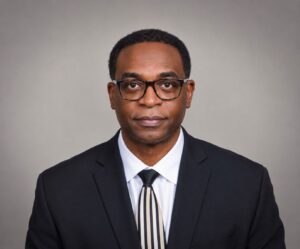
Isaac Megbolugbe
September 2026
Introduction
Human existence is marked by a profound tension between the fleeting and the forever. Everyday life is dominated by the physical reality of the human body—an intricate vessel that grows, tires, and inevitably ages. However, anchoring our entire identity in this physical form creates a powerful illusion. The illusion of living in a temporal body that is aging and temporary distorts the reality of the eternal nature of the spirit and the soul. While the body is bound to the linear progression of time and decay, the true essence of human identity is anchored in eternity, designed to reflect the very nature of God.
The Sacred Vessel: A Temporary Temple
The physical body is not without value; in fact, it holds a sacred purpose in the present age. Scripture reveals that the human body is the temporary temple of the Holy Spirit. It is the earthly dwelling place where the divine intersects with the material world.
Yet, a temple is defined by the presence that inhabits it, not by the endurance of its bricks and mortar. The body belongs to the perishable earth, a physical reality that is ultimately destined to be destroyed and replaced in the new creation. Mistaking the temporary tent for the permanent home causes people to pour their worth into a fading vessel, forgetting the invaluable treasure held within.
Spirit and Soul: The Seat of Divine Identity
To understand who we truly are, we must look beyond the mirror of the physical world. Our spirit and soul embody our identity in God. Because God is spirit, He has no physical body; therefore, communion with Him and alignment with His family cannot be defined by physical parameters.
Living out our identity as children of God is a reality primarily connected to our inner being.
When we recognize that our true self resides in the spirit and the soul, the anxiety of aging and physical limitation begins to lose its grip. The outward person may be wasting away, but the inward person is being renewed day by day.
The Ultimate Alignment: The Eternal Body to Come
The current mismatch between an eternal soul and a dying body is not the final chapter of the human story. The resurrection promises a complete resolution to this cosmic tension. When Christ comes, he gives us a new body to match the quality of eternity with our spirit and soul.
This promised resurrection body will not be subject to the decay, disease, or limitations of the current earthly form. It will be a body perfectly adapted to the new creation, fully synchronized with the eternal nature of the spirit and soul. The temporary temple will be replaced by an imperishable, glorified dwelling, ensuring that the entire human expression—spirit, soul, and body—glorifies God throughout eternity.
The Sacred Vessel: Honor and Hope in the Temporary Temple
Human beings often experience a profound tension between their physical limitations and their eternal longings. We look in the mirror and observe the steady, undeniable march of time written into our features. Yet, inside, we feel a deep orientation toward something that never fades. The physical body is not without value; in fact, it holds a sacred purpose in the present age. Rather than viewing the flesh as a meaningless shell or an ultimate end, Christian theology presents a balanced reality: our bodies are purposeful, divine intersections intended for the glory of God, even as they remain beautifully temporary.
The Earthly Dwelling of the Divine
Scripture reveals that the human body is the temporary temple of the Holy Spirit. In his first letter to the Corinthians, the Apostle Paul asks a striking question to reframe how believers view their physical existence: “Do you not know that your body is a temple of the Holy Spirit within you, whom you have from God?” (1 Corinthians 6:19).
This teaching completely revolutionized the ancient world’s view of sacred spaces. God no longer confined His localized presence to stone altars or the hidden rooms of a majestic building built by human hands. Instead, it is the earthly dwelling place where the divine intersects with the material world. Every breath, movement, and physical action is elevated to an act of stewardship because a holy resident has taken up occupancy within us. The body is the physical staging ground where divine love, justice, and mercy are carried out in a tangible world.
The Illusion of the Bricks and Mortar
However, humanity easily loses its perspective by swinging to an extreme. We live in a culture that frequently idolizes youth, physical strength, and aesthetic perfection. It is easy to look at the vessel and mistake it for the entire substance. Yet, a temple is defined by the presence that inhabits it, not by the endurance of its bricks and mortar.
The true worth of a building does not come from its external scaffolding, but from the glory resting inside. The body belongs to the perishable earth, a physical reality that is ultimately destined to be destroyed and replaced in the new creation. It was never engineered to withstand the weight of eternity in its current form.
When we forget this design limitation, our priorities warp. Mistaking the temporary tent for the permanent home causes people to pour their worth into a fading vessel, forgetting the invaluable treasure held within. This illusion breeds a persistent, exhausting anxiety. We spend immense amounts of energy trying to preserve an earthly tent that was always meant to be folded up, while neglecting the eternal spirit and soul thriving inside.
Anchored in Higher Hope
Recognizing the temporary nature of the physical body does not breed neglect; it breeds appropriate honor and immense hope. When we know our current body is an earthly tent, we can care for it out of gratitude rather than fear. We feed it, rest it, and protect it from harm because it belongs to the Lord.
Simultaneously, we are freed from the despair of aging and physical decline. As the outward person slowly weakens under the constraints of time, the inward person is being actively renewed day by day. The physical limitations we experience today are not a design flaw—they are reminders that this present world is a baseline, not the destination. Our current body serves its sacred purpose beautifully for a season, holding open the door for the day when the temporary will finally give way to the imperishable.
Beyond the Mirror: Discovering Eternal Identity in the Inward Man
Human culture is deeply obsessed with the visible. We spend lifetimes curating our appearances, tracking physical changes, and looking to external mirrors to tell us who we are. Yet, the physical reflection we see is only a fraction of the story—and a temporary one at that. To understand who we truly are, we must look beyond the mirror of the physical world. Real, unchanging identity is not formed by physical features, athletic ability, or biological age. Instead, our true essence is found deeper within, designed to mirror a Creator who exists entirely outside the material plane.
The Spiritual Fabric of Identity
The physical body is a vehicle for this life, but it does not define human value or purpose. Our spirit and soul embody our identity in God. This distinction is vital to understanding our relationship with the Divine. Because God is spirit, He has no physical body; therefore, communion with Him and alignment with His family cannot be defined by physical parameters.
True intimacy with God cannot be measured by physical strength, health, or appearance. Living out our identity as children of God is a reality primarily connected to our inner being. We do not look like God outwardly, but we are made in His image inwardly, possessing a dual-natured inner architecture built specifically for eternal connection:
Overcoming the Fear of Fading
When our sense of self is anchored entirely in the physical body, the natural process of time becomes terrifying. Every new wrinkle, gray hair, or physical limitation feels like a loss of identity. However, shifting our perspective changes everything. When we recognize that our true self resides in the spirit and the soul, the anxiety of aging and physical limitation begins to lose its grip.
Physical aging is not a loss of identity; it is simply the natural wear and tear of a temporary earthly tent. The outward person may be wasting away, but the inward person is being renewed day by day. While the body slows down, the spirit and soul can actually grow stronger, wiser, and more vibrant. Aging becomes a journey of deep internal expansion rather than physical contraction. By looking past the physical mirror and nurturing the inner being, we step into a steady, unshakable identity that remains perfectly intact for all eternity.
The Final Alignment: The Promise of the Imperishable Resurrection Body
Human existence is defined by a strange, quiet friction. We feel an innate desire for eternity, yet we live out our days in a physical frame that is fragile, subject to fatigue, and constantly winding down. The current mismatch between an eternal soul and a dying body is not the final chapter of the human story. This friction is not a permanent design flaw, but a temporary stage in a grander narrative. The resurrection promises a complete resolution to this cosmic tension, offering a future where our physical reality finally catches up to our eternal destiny.
The Ultimate Transformation
The gospel message does not view salvation as a permanent escape from physical existence, leaving us as disembodied ghosts. God created the physical world and declared it good; His ultimate plan is to redeem it, not discard it. When Christ comes, he gives us a new body to match the quality of eternity with our spirit and soul.
This event marks the final, complete integration of the human person. This promised resurrection body will not be subject to the decay, disease, or limitations of the current earthly form.
Synchronized with Eternity
Our current earthly bodies are built for a broken, finite world. By contrast, the resurrection body is custom-engineered for an entirely different environment. It will be a body perfectly adapted to the new creation, fully synchronized with the eternal nature of the spirit and soul.
In our present experience, our spirits may be willing, but our flesh is notoriously weak. We desire holiness, joy, and tireless worship, but our chemical imbalances, exhaustion, and physical constraints often pull us back down to earth. The resurrection entirely removes this imbalance. The new body will seamlessly cooperate with the spirit and soul, acting as a flawless conductor for the life of God flowing through us. The temporary temple will be replaced by an imperishable, glorified dwelling, ensuring that the entire human expression—spirit, soul, and body—glorifies God throughout eternity.
When this final alignment takes place, the tension we feel today will disappear. We will no longer be eternal souls trapped in fading tents, but fully unified, immortal children of God, beautifully equipped to live out our eternal calling in a brand-new creation.
Entering the Rest: The Ultimate Fulfillment of Our Eternal Identity
Throughout our journey of understanding the human architecture, we have explored the profound tension between the fading physical body and the eternal reality of the inner being. We have traced the sacred, temporary purpose of our earthly flesh, the true seat of our identity within the spirit and soul, and the glorious promise of the imperishable body to come. Yet, this raises a vital question: Must we wait for the future resurrection to experience the peace of our eternal reality, or can we taste eternity today?
The answer is found in one of the most profound spiritual invitations given to humanity. As a concluding truth to our discussion, our ability to enter God’s rest on earth—as articulated in the Book of Hebrews—is the present reality of our identity in God, anchored deeply within our inner being of spirit and soul.
The Nature of God’s Rest
In the fourth chapter of Hebrews, the writer speaks of a sacred “rest” (katapausis) that remains open for the people of God. This rest is far more than physical sleep or the cessation of human labor. It is a state of spiritual tranquility, absolute security, and complete alignment with the Creator. It is an invitation to cease from our own striving, our own self-preservation, and our exhausting efforts to prove our worth to the world.
Hebrews warns that while ancient Israel missed this rest in the wilderness due to unbelief, the promise still stands for us today. The critical truth is that this rest cannot be found by altering our physical surroundings, changing our external circumstances, or modifying our biological bodies. Because it is God’s rest, and God is spirit, this rest can only be accessed and occupied within the terrain of our inner being.
The Spirit, the Soul, and the Living Word
It is no coincidence that the Book of Hebrews anchors its teaching on divine rest right next to its most famous description of human anatomy. Immediately after warning believers not to miss God’s rest, the text declares:
“For the word of God is alive and active. Sharper than any double-edged sword, it penetrates even to dividing soul and spirit, joints and marrow; it judges the thoughts and attitudes of the heart.” (Hebrews 4:12)
When the Living Word penetrates our life, it bypasses the “joints and marrow”—the physical, temporal body—to do its deepest work in the soul and spirit.
Through this internal division, the Holy Spirit detaches our sense of worth from the fading, aging vessel and anchors it firmly into Christ’s finished work. This is how we enter the rest. We realize that our identity is already complete in God.
Living in the Reality of Eternity Today
Entering God’s rest on earth means looking past the physical mirror and refusing to let a temporal, aging body dictate our spiritual peace. The body may tire, experience sickness, or face the limitations of a fallen world, but the inner being remains safely seated in the heavenly realms.
By anchoring our identity in the spirit and soul, we pull the peace of the future resurrection into our present reality. We no longer look at our lives through the frantic lens of time running out. Instead, we live from the vantage point of eternity. We honor the temporary temple, we look forward to the glorified body to come, but right now—in this very hour—our inner being rests deeply and securely in the unshakeable presence of God.
Isaac Megbolugbe, Director of GIVA Ministries International. He is a recipient of Albert Nelson Marquis Lifetime Achievement Award in business and academia in the United States of America. He is retired professor at Johns Hopkins University, Former Vice President at Fannie Mae, Former Practice Leader at PricewaterhouseCoopers, and a Fellow of the Royal Institution of Chartered Surveyors. He is resident in the United States of America.
