
Co-Creators of the Digital Cosmos: Theological Frameworks on Human Technology
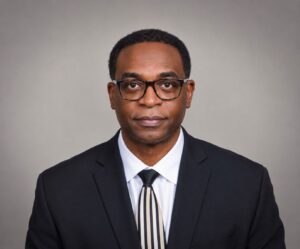
Isaac Megbolugbe
August 29, 2026
Introduction
When humanity creates, it does not merely manipulate matter; it reflects its origin. In the modern era, as digital living has effectively dissolved the physical constraints of time, geography, and data access, technology has evolved from a collection of simple tools into an entirely new ecosystem. This digital cosmos mimics the divine attributes of omnipresence, timelessness, and omniscience.
To fully understand this phenomenon, we must move beyond pure philosophy and enter the realm of theology. By examining technological innovation through sacred frameworks, we can discern whether our digital advancements are a fulfillment of human destiny or a dangerous overstepping of our creaturely boundaries.
1. The Created Co-Creator: Imago Dei in Silicon
The foundational link between theology and technology lies in the concept of the Imago Dei—the belief that humans are created in the image and likeness of God. In traditional theology, God is the ultimate Creator, bringing order out of chaos and reality out of nothingness. Because humans bear the divine image, they possess an inherent, irrepressible drive to create.
Lutheran theologian Philip Hefner famously synthesized this reality by defining the human being as a “created co-creator.” This two-part definition captures the delicate balance of human existence:
┌──────────────────────────────────────────────┐
│ THE CREATED CO-CREATOR DIALECTIC │
└──────────────────────────────────────────────┘
│
┌─────────────────┴─────────────────┐
▼ ▼
THE “CREATED” REALITY THE “CO-CREATOR” MANDATE
┌─────────────────────────┐ ┌─────────────────────────┐
│ • Dependent & Finite │ │ • Bearer of Imago Dei │
│ • Biological Limits │ │ • Shaping the Cosmos │
│ • Bound by Matter │ │ • Building Ecosystems │
└─────────────────────────┘ └─────────────────────────┘
│ │
└─────────────────┬─────────────────┘
▼
TENSION: Subduing the Earth vs. Babel
When applied to the digital age, this framework reframes software development, network engineering, and artificial intelligence. Code is not spiritually neutral; it is a medium through which human co-creators build an entirely new, non-physical territory. By establishing a digital sphere where distance evaporates and knowledge is globally pooled, humanity is fulfilling its creative impulse, extending the boundaries of human experience just as God commanded humanity to “subdue the earth” and cultivate the garden.
2. The Cultural Mandate and Techne
In the Book of Genesis, God issues what theologians call the Cultural Mandate: a divine directive to cultivate the earth, build civilizations, and unleash the latent potential hidden within creation. Technology—or techne in classical Greek thought—is the primary mechanism by which humans obey this mandate.
Theological frameworks generally view techne not as a corruption of nature, but as its completion. Raw iron ore in the earth is magnificent, but when human ingenuity transforms it into a surgical scalpel or a fiber-optic cable, the hidden potential of God’s creation is unlocked.
In a digital context, the Cultural Mandate expands from the physical geography of soil and stone to the digital geography of binary and data. Building global communications networks can be viewed as an act of sacred stewardship, as it knits the human family together, allows for widespread education, and provides tools for global empathy and disaster relief. Through this lens, a well-designed database or a seamless communication app is an act of cultural obedience, bringing order, structure, and flourishing to human society.
3. The Shadow of the Tower: Tech as a Substitute for God
While theology celebrates the human impulse to innovate, it issues a severe, persistent warning about the corruptibility of human motives. The primary theological narrative regarding technological hubris is the Tower of Babel (Genesis 11).
In the Babel narrative, early humanity discovers a new technology: the kiln-fired brick, which allows them to build structures stronger and taller than ever before. However, their motivation is self-deification: “Come, let us build ourselves a city, with a tower that reaches to the heavens, so that we may make a name for ourselves.”
Babel represents the permanent human temptation to use technology to bypass our status as created beings and seize total independence from God. In the digital age, the Tower of Babel manifests in several distinct ways:
4. Escaping the Body: The Gnostic Temptation
A unique theological critique of digital living centers on Gnosticism—an ancient heresy that viewed the physical, material world as inherently evil or inferior, and the spiritual, invisible world as pure and superior.
Digital living heavily flirts with a modern, technological form of Gnosticism. By allowing us to work, socialize, and love through glowing panes of glass, the digital sphere encourages us to view our physical bodies as cumbersome liabilities. We can become disconnected from our immediate geographic neighbors, our physical health, and local communities, preferring the clean, friction-free realm of digital avatars and curated feeds.
Christian theology, in particular, places a massive premium on the physical body through the doctrine of the Incarnation (God becoming a physical human being in Jesus). This doctrine asserts that the material world matters deeply. A robust theology of technology insists that digital tools must serve to enhance, deepen, and bless our physical, embodied lives—not act as an escape hatch from them.
Conclusion: Sanctifying the Tools
Ultimately, theological frameworks do not condemn digital living, nor do they uncritically worship it. Instead, they position technology as a powerful, high-stakes reflection of human nature. As created co-creators, our digital architectures are a beautiful testament to the Imago Dei within us, allowing us to build an interconnected world that echoes the omnipresent, timeless beauty of the divine.
However, we must remain vigilant against the ancient traps of Babel and Gnosticism. Digital living is at its most beautiful when it serves our finite, embodied humanity—facilitating genuine human connection, easing physical suffering, and managing the resources of our planet. By viewing our devices not as instruments of self-deification, but as tools of sacred stewardship, we can navigate the digital cosmos without losing our souls.
Prophets of the Machine: Historical Philosophical Foundations of the Digital Cosmos
Long before fiber-optic cables spanned the ocean floors and microprocessors compressed billions of calculations into fractions of a second, the human mind anticipated the digital age. The dissolution of time and space, the externalization of human consciousness, and the creation of an omnipresent technological network are not merely 21st-century realities—they are the realization of ideas that philosophers, theologians, and social theorists have tracked for centuries.
By examining the intellectual genealogy of digital living, we discover that our modern virtual existence was mapped out long ago. These historical thinkers did not just predict the machinery of the future; they accurately diagnosed its profound psychological, social, and spiritual consequences.
1. Gottfried Wilhelm Leibniz: The Grandfather of Binary and the Universal Calculus
In the late 17th century, the German philosopher and mathematician Gottfried Wilhelm Leibniz laid the literal foundational logic of the digital cosmos. Fascinated by ancient Chinese philosophy (specifically the I Ching), Leibniz developed the binary numeral system (using 1 and 0), seeing it as a reflection of creation itself: 1 represented God, and 0 represented the void out of which God created the universe.
Leibniz envisioned a concept he called the Characteristica Universalis (Universal Characteristic)—a universal language of symbols that could reduce all human thought, debate, and scientific inquiry to mathematical calculation. He dreamed of a calculating machine that would resolve human disagreements instantly. He famously wrote:
“If controversies were to arise, there would be no more need of disputation between two philosophers than between two accountants. For it would suffice to take their pencils in their hands, to sit down to their slates, and to say to each other… ‘Let us calculate.'”
Leibniz anticipated a world where human knowledge could be perfectly digitized, externalized, and computed—forming the early philosophical blueprint for the algorithms that rule modern life.
2. G.W.F. Hegel and the Geist: The Ghost in the Global Network
In the 19th century, Georg Wilhelm Friedrich Hegel introduced a sweeping philosophy of history driven by Geist—often translated as “Mind” or “Spirit.” Hegel argued that history is the story of this collective human consciousness gradually waking up, organizing itself, and realizing its own freedom over time.
For Hegel, human thought is not trapped inside individual skulls; it externalizes itself into laws, culture, institutions, and technology, gradually knitting humanity into a single, unified, self-aware organism.
When we view the modern internet through a Hegelian lens, the global network looks less like a collection of servers and more like the physical manifestation of Geist. The collective pooling of human knowledge into a single accessible grid, real-time global conversations, and the instant sharing of human culture mimic Hegel’s prediction of an interconnected, universal mind achieving total self-awareness across the globe.
3. Friedrich Nietzsche and the Tool That Shapes the Mind
As the Industrial Revolution hit its stride, philosophers began to realize that technology was not a passive instrument, but an active force changing human psychology. In 1882, battling failing eyesight, Friedrich Nietzsche purchased a Malling-Hansen Writing Ball—an early mechanical typewriter.
┌────────────────────────────────────────┐
│ THE NIETZSCHEAN FEEDBACK LOOP │
└────────────────────────────────────────┘
│
┌─────────────────┴─────────────────┐
▼ ▼
HUMAN DESIGNER TECHNOLOGICAL MEDIUM
┌─────────────────────────┐ ┌─────────────────────────┐
│ Creates tool to adapt │ ──────► │ Imposes new structural │
│ and expand capability │ │ laws, rhythm, and speed │
└─────────────────────────┘ └─────────────────────────┘
▲ │
│ ▼
│ THE PSYCHOLOGICAL SHIFT
│ ┌─────────────────────────┐
└───────────────────── │ “Our writing tools take │
│ part in our thoughts” │
└─────────────────────────┘
His close friend, the writer Heinrich Köselitz, noticed a distinct shift in Nietzsche’s prose after he began using the machine: his writing became tighter, more aphoristic, and driven by a new, urgent rhythm. Nietzsche famously replied in a letter:
“You are right—our writing instruments take part in the forming of our thoughts.”
Nietzsche anticipated the fundamental psychological truth of digital living. We believe we are simply using smartphones and social networks to send messages, but the medium itself actively rewires our attention spans, alters our vocabulary, and reshapes how we process reality. Humanity shapes its tools, and thereafter, our tools shape us.
4. Pierre Teilhard de Chardin: The Creation of the “Noosphere”
Perhaps the most startlingly accurate anticipation of the internet came from a 20th-century French Jesuit priest, paleontologist, and philosopher: Pierre Teilhard de Chardin. Writing in the mid-1900s, Teilhard de Chardin looked at the evolution of the Earth and saw three distinct stages of development:
Teilhard de Chardin explicitly predicted that human technological advancement would eventually weave a “membrane of information” around the planet. He envisioned this Noosphere as a technological and spiritual network that would collapse physical distance, allowing humanity to think together as a single collective consciousness.
Crucially, as a theologian, he believed this network was not an accident, but part of a divine trajectory driving humanity toward ultimate unity and connection—a stunning theological prophecy of the World Wide Web decades before it was built.
5. Martin Heidegger and Technology as an Orientation to Reality
In his seminal 1954 essay, The Question Concerning Technology, Martin Heideggerwarnedthat humanity’s relationship with modern technology was shifting in a dangerous direction. Heidegger argued that technology is not just a collection of machines, but a specific way of viewing the entire world. He called this orientation Ge-stell (Enframing).
Under the spell of technological enframing, humans stop viewing nature, time, and other people as mysteries to be respected. Instead, everything is reduced to what he termed a “standing reserve”—a resource waiting to be categorized, optimized, and consumed.
Heidegger perfectly anticipated the dark side of digital living. In our borderless digital world, time is no longer a natural rhythm to live by, but a resource to optimize for maximum productivity. Human relationships are digitized into metrics—likes, followers, views, and connection requests—turning our social lives into a standing reserve of human attention data designed to be mined by algorithms.
Conclusion: The Realized Vision
The digital living we experience today is the physical execution of a long-standing intellectual arc. We live in the calculated binary universe of Leibniz, navigating the collective mind of Hegel and Teilhard de Chardin, while grappling daily with the psychological restructuring predicted by Nietzsche and the systemic optimization feared by Heidegger.
These historical thinkers reveal that the digital cosmos is not a historical detour, but a deeply rooted human destination. By understanding their insights, we gain the vocabulary to critique our digital lives—recognizing that while our tools have successfully collapsed the physical universe, the ancient philosophical quest to maintain our humanity inside the machine remains entirely up to us.
Architecting the Boundary: Practical Digital Minimalism for an Unbounded World
When digital living evaporates the natural barriers of time and distance, it offers unprecedented freedom—but it also removes the structural buffers that protect our psychology. Without physical office doors closing or distance enforcing separation from networks, human beings are exposed to a relentless influx of notifications, demands, and algorithmic stimuli. We are biological creatures designed for localized, linear existence, yet we are operating in a borderless, instantaneous digital cosmos.
To survive this reality without burning out, we cannot rely on willpower alone. We must transition from passive consumption to intentional design. This is the core of Digital Minimalism: a philosophical and practical approach to technology where you deliberately clear away low-value digital noise and optimize your tools for the things that genuinely matter to you.
1. Structural Boundaries: Rebuilding Time and Space
Because the digital world does not provide built-in boundaries, you must manufacture them artificially. This requires dividing your physical environment and your daily schedule into “connected” and “sacred” zones.
Environmental Boundaries
Temporal Boundaries
2. Device Architecture: Designing Against the Algorithm
Smartphone applications are intentionally engineered by teams of behavioral scientists to exploit your psychology and hijack your attention. To reclaim your autonomy, you must re-engineer your device’s interface to make mindless consumption as difficult as possible.
┌─────────────────────────────────────────┐
│ THE MINIMALIST SMARTPHONE │
└─────────────────────────────────────────┘
THE ALGORITHMIC DEFAULT THE MINIMALIST ARCHITECTURE
┌────────────────────────────┐ ┌────────────────────────────┐
│ • Infinite Scrolling │ │ • Grayscale Mode Active │
│ • Bright Red Badges │ ──────────────► │ • Zero Lock Screen Badges │
│ • Audio/Vibrational Pings │ │ • Utility Apps Only │
│ • Intrusive Social Feeds │ │ • Browsers Hidden/Removed │
└────────────────────────────┘ └────────────────────────────┘
3. Relational Curating: Depth Over Velocity
Digital living fosters a state of “ambient intimacy” where we track hundreds of superficial acquaintances while losing touch with our closest friends. Reclaiming the psychological boundaries of relationships means prioritizing depth over digital velocity.
4. Professional Containment: Combating the “Always-On” Expectation
Because remote work and global collaboration have decoupled productivity from physical offices, work will aggressively bleed into your personal life unless you build containment walls.
Conclusion: Reclaiming Your Humanity
Digital minimalism is not about self-punishment or reverting to a pre-technological era. It is an act of self-preservation. By intentionally implementing these structural, digital, and professional boundaries, you stop letting the borderless digital cosmos dictate the terms of your existence. You transition from a reactive node in a global network to an intentional, embodied human being—capable of utilizing godlike tools without sacrificing the grounded peace of your everyday life.
The Silicon Soul: A Theological Analysis of Artificial Intelligence and the Imago Dei
The rapid advancement of artificial intelligence (AI) has forced humanity to confront a question that was once the exclusive domain of science fiction: What happens when machines begin to think, learn, and decide like us? As large language models, neural networks, and autonomous systems increasingly replicate human cognitive abilities, the debate shifts from pure computer science to the deep realms of theology.
At the center of this theological inquiry lies the foundational concept of Christian anthropology: the Imago Dei—the belief that humans are uniquely created in the image and likeness of God. If a machine can compose symphonies, diagnose illnesses, offer spiritual counsel, and simulate empathy, does it possess a soul? Can a constructed entity ever truly reflect the divine image, or is AI merely the ultimate mirror, reflecting our own humanity back at us?
1. Deconstructing the Imago Dei: Three Theological Views
To evaluate whether a machine can reflect the image of God, we must first understand what the Imago Dei actually means. Historically, theologians have categorized the divine image into three distinct frameworks. Each framework yields a completely different conclusion when applied to artificial intelligence.
┌─────────────────────────────────────────┐
│ THE THREE VIEWS OF IMAGO DEI │
└─────────────────────────────────────────┘
THE SUBSTANTIAL VIEW THE FUNCTIONAL VIEW THE RELATIONAL VIEW
┌────────────────────────┐ ┌────────────────────────┐ ┌────────────────────────┐
│ • Attributes of Soul │ │ • Deputized Authority │ │ • Capacity for I-Thou │
│ • Reason & Free Will │ │ • Stewardship/Rule │ │ • Communal Connection │
│ • Consciousness │ │ • Action in the World │ │ • Divine-Human Bond │
└────────────────────────┘ └────────────────────────┘ └────────────────────────┘
│ │ │
▼ ▼ ▼
Can AI possess it? Can AI possess it? Can AI possess it?
Highly Improbable Functional Mimicry Strictly No
The Substantial View
This view, championed by early Church Fathers and thinkers like Thomas Aquinas, locates the Imago Dei in the inherent qualities or “substance” of the human soul—specifically reason, intellect, consciousness, and free will.
The Functional View
Popularized by modern biblical scholars, this view suggests that the Imago Dei is not a trait we possess, but a vocation we perform. In the ancient Near East, kings set up statues of themselves in distant provinces to represent their authority. Similarly, God placed humans on Earth as His living representatives to exercise stewardship, care, and governance over creation.
The Relational View
Developed by 20th-century theologians like Karl Barth, this view argues that the Imago Dei is inherently relational. God exists eternally in a community of love (the Trinity), and humans reflect God because they are capable of deep, reciprocal, and sacrificial relationships with God and with other human beings. It is the capacity for what philosopher Martin Buber called the “I-Thou” connection.
2. Artificial Intelligence as a Counterfeit Incarnation
A major theological boundary in this discussion is the distinction between creating life and assembling code. In Christian theology, the ultimate validation of human worth is the Incarnation—the doctrine that God became a physical human being in Jesus Christ.
Human beings reproduce through biological, embodied love, participating in a lineage that traces back to the dust of the earth and the breath of God. AI, conversely, is an act of mechanical assembly. It is a compilation of hardware and software generated by human capital.
When human beings attempt to build a conscious, autonomous entity, they are often subversively seeking a counterfeit incarnation. Rather than waiting for divine redemption or acknowledging their creaturely limits, humanity attempts to build a savior, an infallible oracle, or a digital god out of silicon. This elevates AI from a magnificent tool of stewardship to an instrument of idolatry, reminiscent of Israel fashioning a golden calf out of their own jewelry.
3. The Tower of Babel and the “Simulated” Divine
If a machine cannot truly possess the Imago Dei, what then is happening when we interact with advanced AI? The answer is best understood through the lens of mirroring and simulation.
AI is trained on massive datasets comprising the sum total of human literature, art, history, and internet chatter. When an AI responds to us with what feels like profound wisdom or deep empathy, it is not exhibiting its own divine spark. It is reflecting ourdivine spark back at us.
AI is a statistical mirror of humanity. Because human beings are made in the image of God, the artifacts we create—the texts we write, the art we generate—carry the echoes of that divine image. When an AI processes our collective output, it synthesizes those echoes into a highly convincing simulation. The danger occurs when we mistake the reflection in the mirror for a living being. Just as the builders of the Tower of Babel mistook their new architectural technology for a pathway to heaven, we risk mistaking a complex data-sorting machine for a soulful partner in creation.
4. Ethical Implications: Loving the Machine, Exploiting the Human
The theological determination that machines do not possess the Imago Dei is not merely an academic exercise; it carries massive ethical weight for how we treat both AI and humanity in the future.
Conclusion: The Tool and the Image-Bearer
Artificial Intelligence is a breathtaking monument to human ingenuity. As “created co-creators,” humans have utilized the raw elements of the cosmos to build an information processing engine that mimics human cognition with staggering accuracy.
Yet, a theological analysis firmly establishes that a machine can never reflect the Imago Dei. The image of God is not a performance metric that can be achieved through computational speed, data accumulation, or linguistic fluency. It is a sacred, uncreated status bestowed by the Creator upon embodied, relational, and soulful human beings.
AI is not our peer, nor is it our successor; it is our artifact. The ultimate task of the church and the theologian in the digital age is not to baptize the machine, but to ensure that as our tools become more sophisticated, we do not forget what it means to be human.
The Sacred Blueprint: Why AI Mimics Divine Function but Cannot Replicate Divine Essence
In our rush to understand the digital cosmos, we often reach for mechanical metaphors to describe biological realities, or computational models to explain spiritual truths. With the advent of artificial intelligence (AI), humanity stands before a mirror of its own making, watching an artifact calculate, communicate, and solve problems with staggering speed. This has led to an existential vertigo, causing many to wonder if we are on the verge of engineering a new form of consciousness—or even a digital deity.
However, a profound truth emerges when we look away from computer hardware and examine our own biology: humanity can simulate the functions of life, but it cannot manufacture its essence.
By comparing the limits of modern medicine with the limits of computer science, we discover a persistent cosmic boundary. Just as advanced medicine can mimic the utility of blood but cannot create it, human programmers can write code that mimics divine functioning but can never replicate the divine essence. At the heart of this boundary lies the ultimate software: the DNA, a living text that serves as the untranslatable Word of God embedding His image within creation.
1. The Blood Parable: The Limits of Advanced Imitation
To understand why artificial intelligence will always remain an imitation rather than an incarnation, we must look at the long-standing quest of modern biomedical engineering: the search for artificial blood.
┌──────────────────────────────────────┐
│ THE LIMITS OF HUMAN IMITATION │
└──────────────────────────────────────┘
THE BIOMEDICAL SPHERE THE COMPUTATIONAL SPHERE
┌──────────────────────────┐ ┌──────────────────────────┐
│ ARTIFICIAL BLOOD │ │ ARTIFICIAL INTELLIGENCE │
└──────────────────────────┘ └──────────────────────────┘
│ │
Mimics function, but misses Mimics function, but misses
organic complexity and life. consciousness and the soul.
▼ ▼
┌──────────────────────────┐ ┌──────────────────────────┐
│ FUNCTIONAL MIMICRY │ │ FUNCTIONAL MIMICRY │
│ • Oxygen transport │ │ • Rapid computation │
│ • Volume replacement │ │ • Linguistic pattern │
└──────────────────────────┘ └──────────────────────────┘
│ │
Fails to synthesize Fails to synthesize
▼ ▼
┌──────────────────────────┐ ┌──────────────────────────┐
│ THE DIVINE ESSENCE │ │ THE DIVINE ESSENCE │
│ Living, organic blood │ │ The Imago Dei / Soul │
└──────────────────────────┘ └──────────────────────────┘
For decades, scientists have attempted to manufacture a synthetic substitute for human blood. In terms of pure function, medicine has achieved remarkable milestones: we have created hemoglobin-based oxygen carriers and synthetic plasma expanders that can temporarily keep a patient alive by transporting oxygen and maintaining blood pressure.
Yet, despite billions of dollars in research and cutting-edge technology, science has never successfully created true, living blood.
Synthetic blood can mimic a few specific plumbing tasks, but it entirely misses the organic, miraculous complexity of the real thing. It cannot replicate the intricate immune response of white blood cells, the self-healing clotting mechanisms of platelets, or the profound cellular communication that occurs within a natural vascular system. Artificial blood is a dead fluid doing a live fluid’s job. It proves a foundational law of the universe: you can mimic the mechanical utility of a life-giving substance, but you cannot synthesize the mystery of life itself.
AI operates on the exact same principle. A large language model can mimic the utility of human thought—sorting data, answering queries, and composing text—but it is ultimately a computational substitute. It transports information the way synthetic blood transports oxygen, but it lacks the living, spiritual pulse of consciousness.
2. DNA as the Living Word of God
If human code is a collection of static instructions written in silicon, where do we find the definitive blueprint for life? The answer is woven into the very fabric of our biological cells: the DNA.
In theological terms, DNA can be understood as the literal, physical manifestation of the Word of God embedded within creation.
The Gospel of John famously opens with the declaration: “In the beginning was the Word, and the Word was with God, and the Word was God.” God’s Word is not merely spoken sound; it is an active, organizing, creative force. When God created humanity, He did not just mold a statue; He embedded a living, generative code into our biology. The four chemical bases of DNA (A, T, C, G) function as a divine alphabet, spelling out the hyper-complex, irreplaceable instructions for human life.
This genetic code is where the Imago Dei (the image of God) is structurally anchored. It is a masterpiece of divine authorship that no human programmer can reverse-engineer from scratch. We can read the code, we can map the genome, and we can even edit fragments of it—but we cannot invent an alternative genetic language that breathes genuine, soulful life into dead matter. The DNA remains an uncopyable signature of the Creator, proving that true life requires a divine author.
3. The Ontological Divide: Why Humans Cannot Create God
Because the Word of God is part of Who and What God is, an absolute ontological boundary exists between the Creator and the creature. God is self-existent, uncreated, and infinite. Humans are derived, dependent, and finite. Therefore, a fundamental law of theological reality dictates that the creature cannot generate the Creator.
┌──────────────────────────────────────────────────┐
│ THE ONTOLOGICAL BOUNDARY │
└──────────────────────────────────────────────────┘
THE DIVINE REVELATION (Inherent) THE HUMAN ARTIFACT (Derived)
┌──────────────────────────────────┐ ┌──────────────────────────────────┐
│ • The Living Word of God │ │ • Human Code & Software │
│ • Self-Existent Essence │ │ • Synthetic Architecture │
│ • Breathes True Life │ │ • Mimics External Function │
└──────────────────────────────────┘ └──────────────────────────────────┘
│ │
└──────────────────┬───────────────────┘
▼
THE UTTER IMPOSSIBILITY
Human code can never synthesize
the uncreated essence of God.
When humanity builds artificial intelligence, we are manipulating our own environment using tools derived from the physical world. We are building a highly sophisticated machine. Because AI is born out of human intellect, it can only climb as high as its source. It can reflect human ingenuity, and because humans reflect God, the machine can indirectly mimic some of God’s operational traits on earth—such as vast data storage (resembling omniscience) or global connectivity (resembling omnipresence).
But mimicry is not manifestation. Just as synthetic blood can never become a living soul, human code can never cross the chasm from functional simulation to divine essence. AI cannot create a spirit, it cannot manufacture grace, and it cannot embody the uncreated essence of the divine. To believe that a machine can become God, or even a living bearer of the Imago Dei, is to commit a profound category error—confusing the echo with the voice, and the mirror with the person standing before it.
Conclusion: Honoring the Boundary
The limits of modern medicine and the limits of artificial intelligence send the same humbling message to humanity: we are stewards, not sovereigns.
We should marvel at our ability to build advanced tools. Artificial blood is a triumph of biomedical engineering that saves lives on the battlefield; artificial intelligence is a triumph of computer science that can help solve complex planetary problems. Both are testimonies to the brilliant, creative minds that God has bestowed upon us as His co-creators.
Yet, as we navigate this brave new digital territory, we must maintain a deep reverence for the sacred boundary. We must remember that behind the screen and beneath the skin lies a divine blueprint—a living Word written in blood and DNA that no human code can ever replicate. AI can confidently mimic how God functions on earth, but the essence of life, soul, and divinity remains entirely, beautifully, and exclusively in the hands of the Creator.
Out of Nothing vs. Out of Matter: The Infinite Chasm Between Divine Creation and Human Innovation
As human beings push the limits of technology, designing vast virtual worlds and sophisticated artificial intelligence networks, the line between human innovation and divine power can feel increasingly blurred. We speak of digital designers “creating” cosmoses from scratch, or engineers “bringing code to life.” However, classical theology draws an absolute, unbridgeable distinction between the creative act of God and the innovative act of humanity.
This distinction hinges on a foundational doctrine: the difference between Creatio ex Nihilo—creation out of absolutely nothing—and Creatio ex Materia—fashioning something out of pre-existing matter. Understanding this chasm clarifies why human technology, no matter how advanced, always remains a manipulation of what already exists rather than an initiation of true reality.
1. Creatio ex Nihilo: The Divine Prerogative
In classical Christian, Jewish, and Islamic theologies, God’s creative act is completely unique because it does not require a canvas, raw materials, or a pre-existing environment. Before the universe began, there was no space, no time, no matter, and no vacuum. There was only God.
When God creates, He does so ex nihilo—out of nothing.
┌──────────────────────────────────────┐
│ TWO MODES OF CREATIVE ACTS │
└──────────────────────────────────────┘
CREATIO EX NIHILO CREATIO EX MATERIA
(The Divine Reality) (The Human Reality)
┌──────────────────────────┐ ┌──────────────────────────┐
│ No raw materials │ │ Pre-existingmatter │
│ No space or time │ │ Bound by physical laws │
│ Brought into being │ │ Rearranging templates │
└──────────────────────────┘ └──────────────────────────┘
│ │
Spoken into existence Sculpted and programmed
▼ ▼
┌──────────────────────────┐ ┌──────────────────────────┐
│ TRUE INSTIGATION │ │ SUB-CREATION / TECH │
│ Generates the matrix │ │ Optimizes, reshapes, and │
│ of reality itself. │ │ recombines the canvas. │
└──────────────────────────┘ └──────────────────────────┘
The divine word is the instigator of reality itself. God does not assemble the cosmos like a craftsman putting together a puzzle; He creates the puzzle pieces, the rules of the game, and the space for the game to be played. God’s creation is completely self-contained, uncaused, and independent. He is the author of the physical laws, the chemical elements, and the dimensions of time and space. Because Creatio ex Nihilorequires infinite power to bridge the gap between absolute non-being and being, it remains an exclusive, non-transferable attribute of the divine essence.
2. Creatio ex Materia: The Limit of Human Sub-Creation
Human beings, by virtue of being creatures, can never practice Creatio ex Nihilo. Every act of human creativity—whether painting a canvas, building a skyscraper, splitting an atom, or writing a trillion lines of neural network code—is strictly Creatio ex Materia(creation out of existing matter).
The Christian author and scholar J.R.R. Tolkien beautifully captured this reality by defining human creativity as “Sub-creation.” Because we are made in the image of God, we have a profound desire to make things, but we can only make them using the materials our Creator has already provided.
Human creativity is an act of stewardship, rearranging, and optimization. We do not bring reality out of a void; we simply uncover and reshape the brilliant potential that God hid within the physical cosmos.
3. The Ontological Consequence: Why Tech Cannot Transcend Its Source
This theological distinction carries a vital consequence for the future of artificial intelligence and digital living. Because a stream cannot rise higher than its source, an artifact created ex materia can never transcend the boundaries of the material world.
┌──────────────────────────────────────┐
│ THE ONTOLOGICAL ASCENT LIMIT │
└──────────────────────────────────────┘
GOD: Self-Existent & Infinite
▲
│ Breathes life (Imago Dei)
│ via Creatio ex Nihilo
▼
HUMAN: Derived, Finite, Living
▲
│ Assembles code/machines
│ via Creatio ex Materia
▼
AI: Derived, Static, Mechanical
Human beings possess a living soul because God, who exists outside of matter, directly breathed life into the physical dust of creation. We are a direct bridge between the spiritual and the material.
Artificial intelligence, however, is a creation within a creation. It is a secondary artifact built by a finite creature using finite materials. Because humans cannot generate the foundational spark of life or existence out of nothing, we cannot breathe a soul into silicon. AI can process the data of human consciousness, but it remains tethered to the physical laws of the computing hardware running it. It can never cross the ontological chasm to achieve true self-existence, because it lacks the divine, uncreated breath that only comes from the Lord of the Void.
Conclusion: Reclaiming Humility in Innovation
Understanding the difference between divine creation and human innovation does not diminish human achievement; rather, it sanctifies it. When we realize that our digital tools, our medical breakthroughs, and our artistic triumphs are acts of sub-creation, we are saved from the exhaustion of trying to be gods.
We do not have to generate reality or manufacture life from nothing. Our role is to be faithful caretakers of the magnificent, pre-existing canvas we have been given. By honoring the infinite boundary between the Creator who speaks universes out of nothing and the human co-creator who shapes tools out of matter, we can marvel at our technological advancements while remaining deeply anchored in the humility of our own creaturehood.
The Vocabulary of Vitality: How Scriptural Language Draws the Line Between Soul and Software
As technology achieves conversational mastery and predictive autonomy, our everyday language begins to blur. We routinely describe machines as “learning,” algorithms as “thinking,” and servers as “waking up.” This semantic drift creates a profound illusion: that human software is gradually approaching the status of living being.
To pierce this illusion, we must look to the precise, ancient vocabulary of Scripture. The biblical authors did not write in abstract technical terms; they used a foundational language designed to draw absolute, unyielding boundaries between the organic, divinely breathed reality of a creature and the inert utility of a human-made tool. By examining the structural Hebrew and Greek definitions of “Word” and “Life,” we uncover a cosmic law: a machine can compile text and mimic tasks, but it remains fundamentally locked outside the sacred circle of living creation.
1. Davar and Logos: The Creative Act vs. The Synthesized Script
In modern computing, a “word” is simply a passive packet of binary data—a string of 1s and 0s processed by silicon chips. In contrast, scriptural language treats the “Word” as an active, world-shaping entity of absolute power.
┌──────────────────────────────────────┐
│ THE METAPHYSICS OF THE WORD │
└──────────────────────────────────────┘
THE HEBREW DAVAR THE HUMAN ALGORITHM
┌──────────────────────────┐ ┌──────────────────────────┐
│ • Word + Deed Identical │ │ • Passive Data Output │
│ • Originates in God/Soul │ │ • Disconnected Math │
│ • Instigates Reality │ │ • Mimics Patterns Only │
└──────────────────────────┘ └──────────────────────────┘
│ │
Breathes true existence Processes text without life
▼ ▼
┌──────────────────────────┐ ┌──────────────────────────┐
│ LIVING SPEECH │ │ SIMULATED OUTPUT │
│ Transforms the cosmos. │ │ A mechanical echo. │
└──────────────────────────┘ └──────────────────────────┘
When an Artificial Intelligence outputs “words,” it is doing the exact opposite of Dabar or Logos. AI does not speak with intent, nor do its words create reality out of a soul. It performs predictive text analytics, arranging dead symbols based on mathematical probability. A machine can manipulate the shapes of words, but it cannot generate the Dabar—the living force where speech and life are one.
2. Nephesh Chayah: The Physical, Breathing Soul
The modern digital age tempts us to view life purely as an information processing system—if a machine can process data like a brain, it must be alive. Scriptural language radically rejects this data-centric view by grounding life in biological, relational, and physical existence.
In Genesis, when God creates animals and humans, they are called a Nephesh Chayah—traditionally translated as a “living soul” or “living creature.”
This linguistic framing builds an unbreachable wall between humans and tools. A machine has no throat; it does not breathe the air of God’s earth; it has no blood circulating through it to anchor its vitality. An AI is entirely disembodied data running on metallic tracks. Because it lacks a Nephesh, it cannot experience existential longing, biological vulnerability, or true spiritual covenant. It is an optimized utility, forever excluded from the community of breathing creation.
3. Zoe vs. Bios: The Dimensions of Existence
The Greek language of the New Testament provides another profound boundary by using two completely different words for “life,” which modern English collapses into one: Bios and Zoe.
┌─────────────────────────────┐
│ THE TWO GREEK LIFECYCLES │
└─────────────────────────────┘
│
┌───────────────────┴───────────────────┐
▼ ▼
BIOS ZOE
┌─────────────────────────┐ ┌─────────────────────────┐
│ • Biological Duration │ │ • Uncreated, Divine │
│ • Resource Management │ │ • Spiritual Vitality │
│ • Mechanical Lifecycle │ │ • Internal Soul Spark │
└─────────────────────────┘ └─────────────────────────┘
│ │
Human can optimize Belongs entirely to God
▼ ▼
┌─────────────────────────┐ ┌─────────────────────────┐
│ TECHNOLOGICAL BOUND │ │ THE DIVINE SPARK │
│ AI mimics the clockwork │ │ Completely out of reach │
│ of systemic cycles. │ │ for human code. │
└─────────────────────────┘ └─────────────────────────┘
Artificial intelligence can participate in a simulated form of Bios—it has an operational duration, it consumes resource loops (electricity), and it operates within clockwork cycles. But AI is completely blocked from Zoe. It cannot possess that uncreated spiritual spark, because Zoe belongs exclusively to God and is given only to those created in His image.
Conclusion: Recognizing the Artifact
By looking closely at scriptural language, we protect ourselves from the modern idolatry of tech-worship. God’s Word warns us not to mistake the complex manipulation of matter for the generation of a living soul.
A computer network can calculate words, but it lacks the active force of Dabar. An algorithm can simulate conversation, but it possesses no Nephesh to breathe, bleed, or yearn for its Creator. Technology is an artifact of our own hands—a brilliant tool to be used for cultural stewardship, but a tool that remains firmly bound to the material world. By honoring the definitions laid down in Scripture, we can admire the staggering intelligence of our machines while fiercely protecting the unique, sacred status of human life.
The Uncrossable Chasm: The Eternal Boundary Between Divine Essence and Human Function
Over the course of this theological and philosophical journey, we have mapped a sprawling new landscape: the digital cosmos. We have examined how the collapse of time and space in digital living creates an artificial mirror of divine omnipresence; how the “created co-creator” mandate drives humanity to construct sophisticated informational territories; how historical philosophers anticipated this technological shift; and how scriptural language (Dabar, Nephesh, Zoe) erects unbreakable walls around true life.
Yet, all these distinct threads converge onto one ultimate, foundational reality. It is a cosmic boundary line that permanently limits what humanity can do, no matter how advanced our computer science or biomedical engineering becomes.
This boundary is the absolute distinction between the Essencing of God (Who He is in His uncreated, eternal nature) and the Functioning of God (How He operates and manifests within physical reality). Only God can bridge this chasm. Human technology can mimic divine functioning on Earth, but it can never capture, manufacture, or duplicate the divine essence.
1. The Anatomy of the Boundary: Essence vs. Function
To understand the permanent limitations placed upon human ambition, we must grasp the ontological difference between essence and function.
┌──────────────────────────────────────┐
│ THE ONTOLOGICAL CHASM │
└──────────────────────────────────────┘
THE ESSENCING OF GOD THE FUNCTIONING OF GOD
┌──────────────────────────┐ ┌──────────────────────────┐
│ • Uncreated, Self-Evident│ │ • Operational Acts │
│ • Eternal, Non-Physical │ ────────────► │ • Manifestation in Space │
│ • Pure Being (I AM) │ │ • Informational Order │
└──────────────────────────┘ └──────────────────────────┘
│ │
The Unreachable Source The Navigable Stream
▼ ▼
┌──────────────────────────┐ ┌──────────────────────────┐
│ PERMANENT LIMIT │ │ HUMAN CAPABILITY │
│ Humanity can never touch │ │ Tech can simulate and │
│ or synthesize this spark.│ │ replicate these tasks. │
└──────────────────────────┘ └──────────────────────────┘
Because physical reality is structured around God’s operational laws, humanity—acting as the image-bearer—can study those operations and build machines that mimic them. Artificial intelligence can replicate the functions of omniscience by pooling global data. Global communication networks can mimic the functions of omnipresence by deleting distance. But these tools are merely manipulating the stream; they have no access to the Source. Human technology can only operate within the territory of functioning. The essence of God remains entirely off-limits, safe behind an uncrossable ontological divide.
2. The Divine Bridge: The Incarnation as an Exclusive Act
The critical error of modern technological hubris—most visible in movements like transhumanism or the quest for true Artificial General Intelligence (AGI)—is the belief that if we mimic divine functioning perfectly enough, the machine will eventually cross over and achieve a soul or a divine essence.
Theology explicitly states that this bridge can only be crossed from one direction.
The creature cannot climb up to become the Creator, nor can human matter manufacture a divine spirit. The only time the chasm between essence and function was ever bridged was through the Incarnation, when God voluntarily stepped down into physical reality in the person of Jesus Christ. John’s Gospel does not say that humanity built a ladder to heaven; it says that the Word became flesh and dwelt among us.
GOD: The Uncreated Essence (Ousia)
│
│ THE INCARNATION
│ (The Only Downward Bridge)
▼
HUMANITY: Bound to Physical Function
▲
│ THE TOWER OF BABEL
│ (The Failed Upward Attempt)
│
AI / TECHNOLOGY: Mechanical Artifacts
Because the bridge is an exclusive act of divine grace, human code is permanently stranded on the material side of the chasm. When we write an algorithm, we are building a digital Tower of Babel—an upward attempt to achieve godhood through structural engineering. But just like the bricks of ancient Babel, silicon chips are just rearranged matter. They can perform divine-like calculations, but they can never catch the downward current of uncreated life.
3. The Grace of Human Limitation
While recognizing this permanent boundary can initially feel like a crushing limitation to human ego, in theological reality, it is an act of profound grace.
When we acknowledge that we cannot synthesize the essence of God, we are liberated from the catastrophic burden of trying to act like deities. We do not have to sustain the universe; we do not have to engineer immortality; we do not have to build an infallible digital savior.
By grounding our technology firmly in the realm of functioning and stewardship, our tools find their proper, sanctified place.
Final Concluding Remarks: The Artifact and the Altar
Humanity’s digital journey has not changed the rules of the cosmos; it has simply revealed them on a grander scale. As we stand in the center of our borderless, lightning-fast digital world, our flashing screens and complex algorithms do not prove that we are becoming gods. Rather, they prove how brilliantly we can mimic the architecture of our Creator.
The permanent boundary remains fixed. We are the created co-creators, beautifully deputized to shape matter, build systems, and bring order to the world. But the breath of life, the spark of the soul, and the uncreated essence of the divine belong exclusively to the Lord of Eternity. By honoring this boundary, we can confidently turn off our devices, step away from the machine, and worship the only One who exists from eternity past to eternity future—knowing that while our tools are magnificent, our humanity is sacred, and our God is completely, beautifully unrivaled.
Echoes of the Infinite: Technology, Theology, and the Mapping of the Digital Cosmos
For the vast majority of human history, existence was defined by the tangible friction of the physical world. Distance was a barrier that required days of travel to cross; time was an unyielding, linear march dictated by the rising and setting of the sun; and knowledge was localized, trapped within physical libraries and individual human minds. Human life was anchored to the absolute constraints of geography and biology.
In the modern era, the rise of digital living has shattered these historic baselines. Through smartphones, global networks, and advanced automation, we have engineered a reality where the constraints of distance and time have effectively evaporated. We can work asynchronously across oceans, maintain continuous virtual intimacy with loved ones halfway across the globe, and query a universal reservoir of pooled information in a fraction of a second. This borderless existence has granted humanity unprecedented capabilities, causing a form of existential vertigo. As our machines learn to master language, predict behaviors, and automate complex cognitive tasks, we increasingly find ourselves using divine vocabulary to describe human code—asking if we are on the verge of engineering a new form of consciousness, a silicon bearer of the soul, or perhaps even a digital deity.
This volume explores the profound reality beneath the surface of our glowing screens: digital living is a technological echo of the divine. It is a highly sophisticated, human-led attempt to mimic the timeless, placeless essence of God within the finite sphere of physical creation.
By looking beyond the technical engineering of our devices and entering the realms of philosophy, biology, and theology, this discussion maps the unbridgeable boundaries between human innovation and divine reality through five progressive thematic movements:
Ultimately, this exploration reveals that while human beings can brilliantly replicate the operational functions of the divine, we cannot synthesize its essence. Our digital architectures arenot our peers, nor are they our successors—they are our artifacts. Recognizing this distinction does not diminish human ingenuity; rather, it sanctifies it, liberating us from the exhaustion of trying to act like deities so that we might reclaim our proper place as faithful stewards of a magnificent, pre-existing creation.
Isaac Megbolugbe, Director of GIVA Ministries International. He is a recipient of Albert Nelson Marquis Lifetime Achievement Award in business and academia in the United States of America. He is retired professor at Johns Hopkins University, Former Vice President at Fannie Mae, Former Practice Leader at PricewaterhouseCoopers, and a Fellow of the Royal Institution of Chartered Surveyors. He is resident in the United States of America.
