
The Paradox of Authenticity
By Isaac Megbolugbe
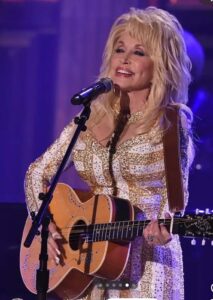
What Dolly Parton famously practiced throughout her illustrious career in the entertainment industry is known as the “Paradox of Authenticity” or “Strategic Artifice.”
By using an intentionally exaggerated, flamboyant persona—or what she playfully called her “Backwoods Barbie” aesthetic—she controlled how the public perceived her. She used this external mask to arrest attention while protecting and spotlighting her genuine musical genius.
The Dual Strategy of Her Persona
“I may look fake, but I’m real where it counts, and that’s inside.”
“It’s true I look totally artificial. But I like to think I’m totally real where it really counts.”
Why This Branding Worked
Dolly’s hyper-artificial look actually vouched for her honesty. Because she never tried to fool anyone into thinking her look was a “genetic miracle,” she liberated her audience. Once she had their undivided attention via the glitter, she delivered deeply emotional, grounded storytelling through her songs, creating a powerful contrast that cemented her legendary status.
If you are writing about or studying her career, this technique can be categorized as a masterful blend of high-camp image curation and uncompromised artistic integrity.
Professor Isaac Megbolugbe is Director of GIVA Ministries International. A lifelong fan of Dolly Parton and country music. He resides in the United States of America.
