
The Currency of Kindness: Rethinking What Makes Us Truly Rich
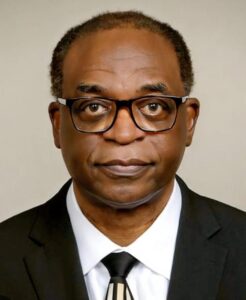
Isaac Megbolugbe
April 6, 2026
Introduction
In a world where wealth is often measured by bank statements and possessions, it’s easy to forget that true riches might look different. Kindness, connection, and purpose can bring a sense of wealth that’s hard to quantify but feels priceless. This article explores why kindness creates a sense of abundance, while money often falls short, and how redefining wealth can lead to a more fulfilling life.
We’ll dive into the psychology behind kindness, the limitations of material wealth, and the four pillars of true wealth: financial security, vitality, time sovereignty, and social connection. By shifting our focus from what’s in our wallets to what’s in our hearts, we can uncover a more sustainable path to happiness.
Kindness As Wealth
Kindness makes you feel rich because it fosters meaningful human connection, purpose, and an internal “warm glow,” which are psychologically fulfilling. In contrast, large amounts of money often fail to bring lasting happiness because of hedonic adaptation (getting used to it) and the tendency to prioritize material gain over social connection.
Here is why kindness creates a sense of wealth while money often does not:
Emotional vs. Material Wealth: Kindness builds emotional “capital”—gratitude, love, and connection—which are priceless, while money is merely a tool that can provide security but cannot buy genuine companionship.
The “Warm Glow” Effect: Generous acts (kindness) trigger positive internal psychological shifts, often called the “warm glow” effect, boosting well-being more effectively than spending money on oneself.
Reduced Empathy with High Wealth: Psychological studies suggest that as people become more affluent, they may experience a “compassion deficit,” causing them to become more self-focused and less connected to others.
Interconnectedness: Kindness strengthens the social fabric, creating a network of support, trust, and deeper relationships, which are consistently ranked as key components of a happy life.
Abundance vs. Scarcity Mindset: Kindness operates from a belief that you have enough to share, which feels empowering. Conversely, the pursuit of money can often create a fear of not having enough, regardless of how much you actually possess.
Ultimately, kindness is a self-sustaining “currency” that can be given away endlessly without reducing your own supply, while material wealth is limited and often breeds a desire for more.
Redefining Riches: Why the Richest Life Isn’t Found in a Bank Account
For generations, the word “rich” has been synonymous with a high net worth. We’ve been conditioned to visualize luxury cars, sprawling estates, and overflowing portfolios. However, as many who reach the peak of financial success discover, a life overflowing with capital can still feel spiritually and emotionally bankrupt.
The true definition of riches isn’t a number; it is the state of having an abundance of what matters most. To be truly rich is to possess the resources—both internal and external—to live a life of freedom, purpose, and deep satisfaction.
Here is a breakdown of the components that make up a truly wealthy life and the elements that often carry more weight than money itself.
The Four Pillars of True Wealth
If we move beyond the balance sheet, “riches” can be categorized into four essential pillars:
1. Financial Security (The Foundation)
Money is a component, but its true value lies in agency. Financial richness isn’t about excess; it’s about having enough to remove the stress of survival and the ability to say “no” to things that drain you. It is the fuel for your freedom, not the destination itself.
2. Vitality and Health
There is an old adage: “A healthy man wants a thousand things, a sick man only wants one.” Without physical and mental energy, you cannot enjoy material success. True riches include a body that functions well and a mind that is clear and resilient.
3. Time Sovereignty
The ultimate currency is time. You can always make another dollar, but you can never “earn” another minute. A person who earns $50,000 a year but owns 100% of their time is often “richer” than a CEO earning millions who has no time to see their family or pursue a hobby.
4. Social and Spiritual Connection
Humans are wired for belonging. True riches include a “tribe”—deep, vulnerable relationships with friends, family, and partners. This is paired with spiritual wealth: a sense of peace, a connection to something larger than oneself, and a clear conscience.
Why “Qualitative” Riches Overrank “Quantitative” Riches
While numbers are easy to track, the qualitative aspects of life provide the actual “flavor” of wealth. Here are the elements that often provide more utility and happiness than a high salary:
The Power of Purpose (Contribution)
As we discussed with kindness, the act of giving creates an internal “warm glow” that money cannot buy. Knowing that your existence improves the lives of others provides a level of significance that luxury goods cannot replicate. Purpose is the antidote to the “emptiness” often felt by the ultra-wealthy.
Psychological Freedom
You are not rich if you are a slave to your possessions or your status. True wealth includes freedom from envy, freedom from the “treadmill” of constant wanting, and the ability to be content with enough. This mental state is more valuable than any asset because it prevents the “scarcity mindset” that plagues even billionaires.
Experience and Memory Capital
Research consistently shows that spending money on experiences (travel, learning a skill, a meal with friends) provides longer-lasting happiness than buying objects. This is “memory capital”—the internal library of moments that shape who you are.
Resilience and Character
Being “rich” in character means that if you lost everything tomorrow, you would still have the skills, the reputation, and the mindset to rebuild. This internal “infrastructure” is a form of wealth that cannot be taxed, stolen, or lost in a market crash.
The Verdict: A Balanced Portfolio
The most “bankrupt” person is the one who has nothing but money. To be truly rich, one must diversify their life’s portfolio.
Seek enough money to be independent, but prioritize the health that lets you enjoy it, the time that lets you experience it, and the kindness that gives it meaning. In the end, your true wealth is measured by how many people will miss you when you’re gone and how much peace you felt while you were here.
The Paradox of Possession: Losing Life to Find True Wealth
In one of his most challenging paradoxes, Jesus issued a dual-edged admonition: “For whoever wants to save their life will lose it, but whoever loses their life for me will find it” (Matthew 16:25). While this is often interpreted as a call to spiritual devotion, it contains a profound psychological and economic truth about the nature of wealth.
This teaching suggests that true “riches” are found not by clutching resources tightly, but through the radical act of investing them in others.
The Trap of “Saving” Your Life
To “save” one’s life in this context refers to a posture of self-preservation and accumulation. When we focus exclusively on building our own security—hoarding wealth, protecting our status, or insulating ourselves from the needs of others—we ironically lose the very fulfillment we are trying to secure.
The Law of Diminishing Returns: Material wealth provides safety, but it cannot provide purpose. Those who “save” their lives by centering them on possessions often find their world shrinking until they are left with “hollow and empty” fulfillment.
The Illusion of Security: Jesus warned that life does not consist of the “abundance of possessions” (Luke 12:15). Relying on financial silos for peace creates a “worry-based greed” that keeps us from actually living.
Forfeiting the Soul: The ultimate cost of “saving” a life through worldly gain is the soul—the seat of our eternal identity and capacity for connection. As the scripture asks, what profit is there in gaining the whole world if you lose your true self in the process?.
The Wisdom of “Losing” for Fulfillment
Conversely, “losing” your life for Christ’s sake—or investing it in the well-being of others—is the primary mechanism for finding true riches. This is not a call to literal destruction, but to a reordering of priorities.
Investment in “Eternal Friends”: In his parables, Jesus encouraged using “worldly wealth” to gain friends for eternity (Luke 16:9). By using money to help others and spread good, we transform a decaying currency into a permanent legacy.
The Fulfillment of Purpose: We find our “true selves” only when we surrender our selfish agendas in favor of a divine, outward-facing purpose. Fulfillment is a byproduct of self-sacrifice; by “losing” the ego’s demands, we discover a joy the world cannot take away.
A “Net Gain” Perspective: Christianity views this as a “trade-in”. By releasing temporary comforts (saving life), we gain a deeper knowledge of Christ and a reliance on the “resurrection power” that brings life out of death.
Wealth Reimagined
The wisdom of this admonition redefines riches as relational and spiritual capital.
Treasures in Heaven: True wealth is stored up by visiting the lonely, helping those in need, and spreading mercy. Unlike earthly riches, these “investments” never fade.
The Priority of the Soul: Real riches recognize that the soul is of infinitely greater value than any earthly treasure. A life rich in love and spiritual growth is the only one that truly “saves” itself.
Generosity as Freedom: Losing one’s life through generosity breaks the “grip of accomplishments” and allows a person to become “rich toward God”.
In summary, the admonition highlights a spiritual law: the more we try to own and protect our life, the less of it we actually have. But by giving our lives away in service to God and others, we “find” a version of life that is truly worth living—an abundant, eternal fulfillment that outranks any bank balance.
The Divine Paradox: Why and How it is More Blessed to Give Than to Receive
While modern culture often equates “blessedness” with the accumulation of assets, Jesus offered a counter-intuitive principle: “It is more blessed to give than to receive” (Acts 20:35). This is not merely a moral suggestion; it is a description of how we are biologically and spiritually designed to flourish.
Why is it More Blessed?
The word “blessed” (Greek: makarios) literally translates to a state of deep happiness and well-being. Giving is “more” blessed because it provides a type of fulfillment that receiving—which is often short-lived and self-centered—cannot match.
The “Helper’s High”: Neuroscience shows that acts of generosity activate the brain’s reward centers, specifically the ventral striatum, releasing a “chemical cocktail” of dopamine, serotonin, and endorphins. This creates a physiological sense of euphoria often called the “helper’s high”.
Sustained Happiness: Unlike the fleeting spike of dopamine from receiving a gift, the social nature of giving releases oxytocin (the “bonding hormone”). This promotes long-term feelings of trust, safety, and connection, which sustain happiness for longer periods.
Health and Longevity: Research links prosocial behavior to lower stress hormones (cortisol), reduced inflammation, better cardiovascular health, and even a longer lifespan.
Spiritual Alignment: From a theological perspective, giving is a “level four” activity that aligns us with the nature of God, who is the ultimate Giver. It breaks the “bondage of materialism” and moves us from an isolated, privatized existence into a meaningful community.
How to Live the Blessing
Living out this truth is about shifting from a “scarcity mindset” to one of “stewardship”—the belief that we are managers of resources intended to flow through us, not just to us.
Practice “Sacrificial” Giving: The greatest blessing often comes from giving when it costs something—whether that is money, time, or energy. This “happy defiance” against our selfish nature proves that our possessions do not control us.
Give Beyond Finances: Generosity is a mindset, not just a transaction. You can give:
Time and Attention: Mentoring others or offering a “listening ear” often requires more personal investment and creates deeper bonds than money alone.
Forgiveness: Releasing bitterness is one of the most challenging but profoundly “blessed” forms of giving, providing incredible inner peace.
Encouragement: A handwritten note or word of praise can “water” someone’s spirit and, in turn, refresh the giver.
Give Cheerfully, Not Under Compulsion: The spiritual reward is tied to the heart’s intent. Giving “reluctantly or under compulsion” lacks the transformative power of a cheerful, voluntary gift (2 Corinthians 9:7).
Adopt the “Seed” Perspective: View your resources as seeds. The more you “sow” into others’ lives, the more God provides you with the “seed for sowing”—not necessarily for personal wealth, but for the ongoing joy of being a conduit for His blessings.
Concluding Remarks
In the end, true wealth isn’t about accumulating riches; it’s about cultivating a life of purpose, connection, and kindness. By shifting our focus from material gain to meaningful relationships and contributions, we can experience a richness that transcends bank accounts. As we redefine what it means to be rich, we might just find that the most valuable currency is one we give away freely – kindness, empathy, and love.
Jesus’ statement “freely you receive, so freely give” (Matthew 10:8) emphasizes the importance of generosity and gratitude. Essentially, he’s saying that since we’ve received blessings, forgiveness, and love without paying a price, we should pass those gifts on to others without expectation of reward or compensation. Wealth really provides us the means with which to express Jesus admonition. It’s about cultivating a spirit of generosity, mirroring the unconditional love and kindness we’ve received.
Isaac Megbolugbe, Director of GIVA Ministries International. He is a recipient of Albert Nelson Marquis Lifetime Achievement Award in business and academia in the United States of America. He is retired professor at Johns Hopkins University and a Fellow of the Royal Institution of Chartered Surveyors. He is resident in the United States of America.
