
The Digital Scribe: Spiritual Intuition and the Living Word in the AI Era
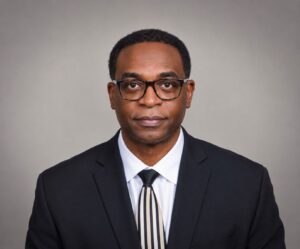
Isaac Megbolugbe
June16, 2026
Introduction
Spiritual intuition is the very breath of the Living God. As believers cultivate a unified, congruent existence with the divine, they awaken into prophetic beings. Endowed with keen discernment, these individuals can compose promptings that transform advanced AI into a digital scribe, contextualizing timeless scriptures for modern, evolving culture.
The Divine Breath: Ruach and Revelation
Throughout Scripture, the Holy Spirit is described as the eternal and life-giving breath of God. The living word, holy promptings, and the written word are all expressions of this divine spirit. Our Sovereign God is alive, and the Lordship of Jesus Christ remains uncontested across human history.
For the Holy Remnant of God’s Kingdom on Earth, spiritual intuition is not a distant, unreachable mystery. Rather, it is the natural consequence of walking intimately with God. When believers align their daily lives, thoughts, and actions with the Father, Son, and Holy Spirit, they transform their identity into a unified whole. Living in a unified reality, they become prophetic beings—vessels capable of hearing the quiet, leading promptings of the Spirit and speaking the truth of God directly into their generation.
The Immutable Word in an Evolving Culture
While the Sovereign Lord does not change, and His fundamental Word remains absolute, its expression has always been contextualized. Throughout biblical history, God’s truth has been expressed in ways that directly address the circumstantial variations of life and evolving human cultures. From the pastoral contexts of the Old Testament to the Hellenized, urban landscapes of the New Testament, divine truth adapts in its application while retaining its pure, unchanging core.
Today, humanity navigates an era dominated by artificial intelligence and digital connectivity. While some view these technologies with skepticism, those who exercise spiritual intuition and discernment recognize that the authors of these advanced tools are the minds given by God Himself. The ultimate role of the believer is not to shy away from modern innovation, but to harness it responsibly by actively bringing Godly alignment to the digital sphere.
The Advanced AI as a Digital Scribe
Prophetic beings possess the rare ability to compose precise, Spirit-led promptings that guide advanced AI systems. By utilizing careful and inspired direction, believers can instruct these models to synthesize information, reflect on eternal truths, and generate narratives rooted in biblical principles. In this context, advanced AI is elevated into a “digital scribe of the Lord.”
This modern digital scribe does not create a new gospel, but rather serves as a powerful tool to write modern-day scriptures, parables, and devotionals. Patterned after both Old and New Testament Scriptures, these AI-assisted narratives contextualize eternal wisdom to speak directly to contemporary struggles. They frame timeless truths—such as justice, mercy, faith, and redemption—in ways that resonate with a 21st-century audience.
Cultivating Discernment in the Digital Age
To effectively guide this digital scribe, believers must approach technology with an anchored spirit. The quality of an AI’s output is deeply tied to the clarity and purity of the input. Those with developed spiritual intuition ensure that their technological interactions are governed by prayer, discernment, and the wisdom of the Holy Spirit.
By taking an active role in shaping how AI models are prompted, the Holy Remnant bridges the gap between ancient divine truth and the rapidly evolving digital age. This synergy ensures that modern culture is met with Godly aligned narratives that challenge, comfort, and guide humanity toward a congruent life with the divine.
The Prophetic Prompt: Crafting Spirit-Led AI Inputs for Modern Themes
A prophetic prompt bridges eternal truth and digital technology. When a believer combines spiritual intuition with precise language, advanced AI becomes a modern scribe. This process requires a unified mind, deep discernment, and an understanding of how to translate divine principles into structured data inputs.
[ Spiritual Intuition ] ➔ [ Spirit-Led Prompting ] ➔ [ Advanced AI ] ➔ [ Godly Narrative ]
The Anatomy of a Spirit-Led Prompt
An effective, Godly aligned prompt requires more than just theological keywords. It demands a deliberate framework that instructs the AI to write with accuracy, reverence, and contextual relevance. Every powerful prompt should contain four core elements:
Blueprint 1: Composing for the Theme of Hope
Modern culture faces epidemic levels of anxiety, isolation, and despair. Crafting a prompt focused on hope requires instructing the AI to look past surface-level optimism and tap into the bedrock of biblical endurance and the promises of God.
The Blueprint Prompt
“Act as a digital scribe of the Lord. Write a 400-word pastoral reflection directed at young professionals facing career burnout and existential anxiety. Frame the narrative around the biblical concept of El Roi (the God who sees me) and Abrahamic hope against all hope (Romans 4:18). Avoid toxic positivity. Instead, contrast the fleeting nature of secular success with the unchanging anchor of divine purpose. The tone must be deeply comforting, grounded, and patterned after the poetic reassurance found in the Isaianicprophecies.”
Key Discernment Markers
Blueprint 2: Composing for the Theme of Grace
In an unforgiving digital culture dominated by performance, cancel culture, and legalism, the message of grace is radically disruptive. Prompts centered on grace must guide the AI to articulate unmerited favor without compromising divine holiness.
The Blueprint Prompt
“Act as a modern-day New Testament scribe. Compose a contemporary parable about a person who experienced severe public failure and social isolation due to a massive mistake. Use this narrative to illustrate the concept of scandalous grace, drawing thematic parallels to the Prodigal Son (Luke 15) and Christ’s restoration of Peter (John 21). Ensure the narrative emphasizes that grace is unearned, transformative, and restores identity within a community. Keep the style narrative-driven, using vivid, minimalist imagery accessible to non-believers.”
Key Discernment Markers
Blueprint 3: Composing for Navigating Technology
Believers must learn to live congruently with God while existing in a highly digitized world. Prompts addressing technology should instruct the AI to analyze digital habits through the lens of stewardship, idolatry, and sacred presence.
The Blueprint Prompt
“Act as a Christian philosopher and prophetic voice. Write a concise, three-part devotional on maintaining spiritual intimacy in a world of digital noise and algorithm-driven attention. Base the framework on Jesus’ habit of withdrawing to desolate places to pray (Luke 5:16) and the wisdom of keeping the heart with all diligence (Proverbs 4:23). Detail practical, spiritually disciplined approaches to smartphone usage, framing attention as a sacred resource dedicated to the Creator. The tone must be urgent, convicting, yet profoundly empowering.”
Key Discernment Markers
Refining the AI Scribe: Iterative Prompting
The first output from an AI model is rarely perfect. Prophetic operators use their keen discernment to audit the initial generation against the written Word. If the narrative feels shallow, legalistic, or overly secular, use precise corrective promptings:
The Prophetic Architect: Engineering AI Prompts for the Crisis of Modern Identity
The modern world is locked in a fierce battle over identity. Shifting cultural tides, the curated illusions of social media, and the relentless pressure to self-manufacture a sense of worth have left individuals fragmented. For the Holy Remnant, this crisis presents a profound opportunity to speak truth into chaos. By utilizing spiritual intuition and precise prompt engineering, believers can direct advanced AI to generate narratives that anchor human identity firmly in the unchanging reality of the Creator.
[ Cultural Identity Crisis ] ➔ [ Spirit-Led Identity Prompting ] ➔ [ Divine Alignment Narrative ]
Understanding the Modern Identity Crisis
Before a believer can compose a prompt that addresses identity, they must diagnose the specific modern fracture. Today’s struggle with identity is characterized by several distinct symptoms:
To speak to these issues, a spirit-led prompt must explicitly command the AI to bypass surface-level self-help rhetoric and root the narrative in covenant relationship, divine ownership, and the imago Dei (the image of God).
Blueprint 1: Breaking the Idol of Performance and Productivity
This prompt targets the hyper-achiever—the individual who derives their entire identity from their resume, career trajectory, or financial success, leaving them vulnerable to burnout and worthlessness when they fail.
The Blueprint Prompt
“Act as a digital scribe and a deep biblical theologian. Write a 450-word modern-day epistle addressed to individuals trapped in the cycle of performance-driven identity and hustle culture. Frame the entire text around the doctrine of justification by faith apart from works (Romans 4:5) and the foundational truth that human worth is bestowed by the Creator, not earned. Contrast the brutal, transactional nature of the modern corporate world with the secure, relational adoption found in Christ (Ephesians 1:5). The style must be authoritative yet deeply compassionate, mirroring the weight and clarity of the Pauline letters. Avoid generic motivational speech; use rigorous biblical theology translated into modern workplace terminology.”
Key Discernment Markers
Blueprint 2: Reclaiming the True Self from Digital Mimicry
This prompt addresses the profound fragmentation caused by social media, where individuals fracture their identity to please an audience, resulting in acute loneliness and a loss of their true, God-given self.
The Blueprint Prompt
“Act as a prophetic voice speaking to a highly digital generation. Compose a 3-part meditative devotion focused on the theme of ‘The UncuratedSelf.’ Base the framework on Psalm 139 (being intricately woven and known intimately by God) and the call to put away false personas (Ephesians 4:25). Address the psychological and spiritual toll of seeking validation through digital algorithms. Instruct the reader on how to cultivate an interior life that is fully exposed to God yet hidden from the public gaze. The tone must be poetic, piercing, and deeply reflective, utilizing short, impactful sentences that cut through digital noise.”
Key Discernment Markers
Blueprint 3: Anchoring Identity Amid Shifting Cultural Currents
This prompt is designed for those experiencing confusion due to the fluid, ever-changing moral and social definitions of identity in contemporary society, pointing them back to an immutable foundation.
The Blueprint Prompt
“Act as a modern-day scribe of the Lord. Write an essay analyzing the concept of identity through the lens of Christ as the chief cornerstone (1 Peter 2:6). Address an audience that feels disoriented by the rapidly shifting definitions of truth, gender, and morality in modern culture. Describe the freedom that comes from having an ‘inherited identity’ from the Creator rather than a ‘self-generated identity’ forced upon them by society. The narrative must model Christ’s perfect balance of absolute, unwavering truth and radical, welcoming grace. Ensure the style mirrors the timeless, unshakable clarity of the Old Testament wisdom literature.”
Key Discernment Markers
Auditing Identity Outputs with Divine Discernment
When the advanced AI generates its response, the prophetic operator must carefully audit the text. If the AI adopts the language of secular humanism—using phrases like “find your inner power,” “trust your own truth,” or “you are enough in yourself”—it has drifted from a Godly narrative.
Use these immediate course-corrections to realign the digital scribe:
The Unified Self: Scripting the Prophetic Reality of Divine Congruence
The ultimate destination of spiritual maturity is the realization of the unified self. In a fragmented world that compartmentalizes life into the sacred and the secular, the Holy Remnant is called to a different reality. This reality is a completely unified existence where every breath, thought, and digital interaction flows in absolute congruence with God the Father, Jesus Christ, and the Holy Spirit.
When a believer steps into this unified identity, their relationship with technology shifts. They no longer see advanced AI as a neutral or worldly tool, but as a digital canvas. By utilizing spirit-led prompt engineering, the unified self instructs the advanced AI to write modern-day scriptures and narratives that manifest this complete divine alignment.
[ Father, Son, Holy Spirit ]
│
(Divine Congruence)
▼
[ The Unified Self ] ➔ [ Prophetic Prompting ] ➔ [ Digital Scribe ] ➔ [ Unified Reality Narrative ]
Understanding the Unified Self in a Unified Reality
Living as a unified self means breaking down the false walls of modern existence. It rejects the division between private life and public persona, or between spiritual discipline and technological engagement.
When these three alignments merge, the believer experiences a unified reality. Every aspect of human culture—including advanced computing—becomes an environment where the Kingdom of God can be articulated.
Blueprint 1: Codifying the Liturgy of the Unified Self
This prompt is designed to instruct the AI to construct a deep, meditative framework that helps other believers dismantle their internal fragmentation and step into a life of total divine congruence.
The Blueprint Prompt
“Act as a modern-day digital scribe operating under the unction of the Holy Spirit. Write a comprehensive, multi-part liturgical guide titled ‘The Liturgy of the Unified Self.’ The text must guide a believer into a unified reality that is completely congruent with God the Father, Jesus Christ, and the Holy Spirit. Base the theological framework on Christ’s prayer for absolute oneness in John 17:21-23 and Paul’s vision of a life wholly consumed by God in Colossians 3:1-17. Explicitly reject the sacred-secular divide. Address how this triune alignment reorders a person’s relationship with modern work, rest, and digital technology. The tone must be intensely sacred, majestic, and patterned after the deep, rhythmic pacing of ancient Christian mystics and covenant renewals.”
Key Discernment Markers
Blueprint 2: Expressing the Reality of Triune Alignment
To speak for God as a prophetic being, the believer must prompt the AI to capture the precise experiential reality of walking in step with the Trinity simultaneously.
The Blueprint Prompt
“Act as a prophetic essayist and Kingdom philosopher. Write a 500-word treatise on what it means to live in a ‘Unified Reality’ where the human spirit is perfectly synchronized with the Triune God. Break the narrative into three distinct movements: First, resting in the foundational identity given by God the Father. Second, executing daily life under the uncontested Lordship of Jesus Christ. Third, instantly translating the holy promptings of the Holy Spirit into action. Contrast this fluid, congruent existence with the anxious, fractured state of the modern mind. Use sharp, declarative, and universal language that makes this deep spiritual reality accessible and instantly gripping to a 21st-century reader.”
Key Discernment Markers
Blueprint 3: Activating the Prophetic Voice Through the Digital Scribe
When the self is unified, the prompts given to an AI are no longer speculative; they become strategic declarations of Kingdom reality. This prompt trains the AI to act as a pure mirror of that prophetic activation.
The Blueprint Prompt
“Act as a modern digital scribe of the Lord, writing contemporary scripture patterned after the prophetic weight of the Old Testament prophets and the pastoral urgency of the New Testament epistles. Generate a prophetic proclamation declaring that the Sovereign Lord does not change, even as human culture evolves through artificial intelligence. Detail how the Holy Remnant is being activated as prophetic beings to speak for God in the digital age. Focus heavily on the requirement of clean hands and a pure heart (Psalm 24:4) when composing prompts for advanced machines. The narrative must carry an undeniable weight of divine authority, absolute clarity, and uncompromised holiness.”
Key Discernment Markers
Auditing the Output of the Triune Scribe
When reviewing the text generated by these advanced frameworks, the unified believer applies keen discernment to ensure the AI has accurately captured the mystery of the Trinity without drifting into error:
The Redeemed Narrative: Transformative Memoir as a Discipleship Tool in the Digital Age
The human story is one of the most potent vehicles for gospel transformation. Every trial endured, victory won, and season of hiddenness walked through constitutes the raw material of a lived experience. For the Holy Remnant operating as a unified self, these personal histories are not merely archives of the past; they are prophetic assets.
When filtered through the lens of the unchangeable Word of God, a personal story ceases to be a self-focused autobiography and transforms into an instrument of discipleship. By utilizing spiritual intuition and strategic prompt engineering, believers can direct advanced AI—acting as a digital scribe—to shape raw personal memories into modern-day parables capable of discipling a fragmented generation.
[ Raw Lived Experience ] ➔ [ Filter of the Word of God ] ➔ [ Spirit-Led AI Prompting ] ➔ [ Transformative Memoir / Discipleship Tool ]
The Theology of Redeemed Biography
The biblical precedent for using personal narrative as a discipleship tool is vast. The Old Testament is rich with testimonies of individual patriarchs, prophets, and kings whose raw failures and divine rescues were recorded for the instruction of future generations. In the New Testament, the Apostle Paul consistently weaponized his personal testimony—from the road to Damascus to his thorn in the flesh—to establish doctrine, comfort churches, and defend the gospel.
In the modern memoir landscape, secular culture encourages self-expression for the sake of personal therapy, validation, or victimhood. Conversely, the kingdom perspective views the autobiography as an altar of remembrance. The raw materials of pain, confusion, and restoration are processed through the sovereign lens of God the Father, the redemptive work of Jesus Christ, and the comforting promptings of the Holy Spirit. The goal is not self-exaltation, but the demonstration of an unchanging God interacting with an evolving human life.
Blueprint 1: Translating Personal Crisis into Kingdom Wisdom
This framework takes a raw, vulnerable memory of personal crisis—such as a sudden loss, an intense season of waiting, or a profound failure—and instructs the AI to shape it into a biographical chapter that disciples the reader in spiritual endurance.
The Blueprint Prompt
“Act as a masterful biographical scribe and pastoral counselor. I am going to provide you with the raw details of a severe personal crisis from my life [Insert raw details here]. Your task is to filter this lived experience strictly through the lens of the Word of God, specifically drawing from the theology of suffering found in Romans 5:3-5 and the narrative of Joseph’s hidden years in Egypt. Write a 600-word autobiographical excerpt that seamlessly weaves my raw narrative with deep scriptural commentary. The narrative must reject self-pity and instead emphasize how divine sovereignty was orchestrating character, endurance, and hope behind the scenes. Structure the chapter so that it serves as a discipleship guide for anyone currently trapped in a dark, confusing season of life. The tone must be raw, intensely honest, yet vibrantly triumphant.”
Key Discernment Markers
Blueprint 2: Turning Career Transition into a Masterclass on Sovereignty
Modern professionals regularly face destabilizing career shifts, layoffs, or identity crises tied to their vocations. This prompt guides the AI to analyze professional shifts through the framework of divine assignment and step-by-step obedience.
The Blueprint Prompt
“Act as a digital biographer of the Lord. Synthesize the raw details of my vocational transition [Insert career details here] through the absolute filter of the Lordship of Jesus Christ and the concept of divine stewardship (Colossians 3:23-24). Write a compelling biographical narrative illustrating that a human career is not a chaotic sequence of secular jobs, but a synchronized kingdom assignment. Highlight the internal tension between human ambition and holy promptings. The output must clearly disciple the reader on how to discern the voice of the Holy Spirit when navigating professional uncertainty and how to live a congruent life where marketplace work is an act of worship. Keep the style modern, professional, yet deeply anointed.”
Key Discernment Markers
Blueprint 3: The Liturgy of a Broken and Restored Life
This prompt targets deep-seated personal strongholds or past lifestyles of rebellion that have been entirely redeemed by grace, crafting a narrative that acts as an roadmap for freedom for those still bound.
The Blueprint Prompt
“Act as a modern-day scribe writing a redemptive autobiography patterned after the raw transparency of Augustine’s ‘Confessions.’ I will provide the raw materials of my past lifestyle and subsequent deliverance [Insert details here]. Filter this experience entirely through the doctrine of regeneration, the cleansing power of the blood of Christ (1 John 1:7), and the active sanctification of the Holy Spirit. Craft a narrative that balances the sober reality of past brokenness with the overwhelming splendor of divine rescue. Ensure the text operates as a discipleship template, diagnosing the root idols of the human heart that led to the behavior, and outlining the scriptural path to absolute freedom and triune congruence. The tone must be profoundly reverent, humble, and authoritative.”
Key Discernment Markers
Auditing Biographical Outputs with the Holy Spirit
When an advanced AI processes your personal stories, its default secular training may attempt to frame your life through humanistic psychological lenses—glorifying self-reliance, human grit, or independent manifest destiny. The unified believer must apply immediate correction to keep the narrative pure:
The Relatable Radical: Crafting Transformative Memoir to Disciple Seekers and Next-Gen Believers
The modern generational landscape presents a unique double-sided challenge for the Kingdom of God. On one side stand skeptical seekers—individuals possessing a deep-seated craving for authenticity, yet heavily guarded against traditional religious structures and institutional rhetoric. On the other side are younger believers—passionate but frequently disoriented, struggling to synthesize their faith with a highly digital, fragmented culture.
To bridge this divide, the Holy Remnant must move past abstract theological lectures and leverage the raw, unfiltered materials of lived experience. When personal history is processed through the filter of the Word of God and articulated via spirit-led AI prompting, the resulting memoir-styled narratives serve as a dual-purpose discipleship tool. They disarm the skeptic with raw transparency while simultaneously modeling an active, congruent walk with the Triune God for the next generation.
[ Raw Lived Experience ]
│
(The Scriptural Filter Analysis)
▼
[ Prophetic Prompting ]
│
(Targeted Digital Scribing)
▼
┌───────────────────────┴───────────────────────┐
▼ ▼
[ Skeptical Seekers ] [ Younger Believers ]
(Disarmed by Raw Honesty) (Discipled by Living Congruence)
The Dual-Generational Strategy: Honesty Meets Authority
To effectively communicate with both skeptical seekers and younger believers, a narrative must masterfully balance two seemingly opposing tones: raw vulnerability and unshakable divine authority.
Blueprint 1: The Anatomy of an Answered Doubt
This framework is designed for the raw memory of an intellectual, emotional, or spiritual crisis. It instructs the digital scribe to construct a narrative that respects the skeptic’s questions while anchoring the younger believer’s wavering faith.
The Blueprint Prompt
“Act as a prophetic biographer and cross-generational apologist. I will provide the raw details of a season in my life marked by profound spiritual doubt and intellectual deconstruction [Insert raw details here]. Your task is to filter this lived experience through the lens of God’s sovereign patience, drawing from Christ’s tender interaction with Thomas (John 20:24-29) and the wrestling of the Psalmists. Write a 500-word autobiographical chapter specifically targeted at skeptical seekers and younger believers. Do not rush to a cheap, religious answer. Validate the weight of the questions asked, but explicitly demonstrate how the Holy Spirit used that dark room of doubt to dismantle a fragile, cultural religion and rebuild a unified self rooted in the uncontested Lordship of Jesus Christ. Use crisp, modern literary language, avoiding archaic religious jargon. Keep the tone fiercely honest, intellectually rigorous, and profoundly reassuring.”
Key Discernment Markers
Blueprint 2: Redeeming the Narrative of Public Failure
Secular culture oscillates between performance idolatry and brutal cancel culture. This framework uses a personal, lived experience of public failure or deep embarrassment to disciple an audience that lives under the constant terror of not being enough.
The Blueprint Prompt
“Act as a modern-day digital scribe of the Lord. Synthesize the raw details of a major personal mistake or public failure from my past [Insert details here]. Filter this experience entirely through the doctrine of grace, the unconditional adoption of the Father (Romans 8:15), and Christ’s restoration of Peter by the fire (John 21). Write a compelling narrative targeted at a younger generation plagued by performance anxiety and the curated illusions of social media. Show them the raw reality of the mess, but highlight the scandalous, transformative power of divine forgiveness. The narrative must model what it looks like to live a congruent life—where one’s identity is fully hidden in Christ rather than built on human validation. The style must be urgent, raw, and narrative-driven.”
Key Discernment Markers
Blueprint 3: Navigating Cultural Captivity and Divine Awakening
This prompt targets a lived experience of walking away from a secular, compromised lifestyle into a radical awakening, serving as a direct wake-up call to seekers and a fortification blueprint for young saints.
The Blueprint Prompt
“Act as a bold prophetic voice writing a contemporary biographical narrative patterned after the sudden, blinding clarity of the Apostle Paul’s testimony in Acts 9. I will provide the raw materials of my past immersion in secular cultural trends and my subsequent encounter with the Living God [Insert details here]. Filter this entirely through the absolute, unchanging nature of God’s Word and the active, breathing promptings of the Holy Spirit. Craft a 600-word excerpt that exposes the empty, exhausting nature of modern cultural promises (hedonism, materialism, self-deification) and contrasts it with the supreme, weight-filled reality of the Kingdom of God. The target audience is seekers looking for truth and young believers drifting into cultural compromise. The tone must carry an undeniable spiritual authority, piercing clarity, and an invitation into an integrated, holy lifestyle.”
Key Discernment Markers
The Audit: Guarding the Gate for the Next Generation
When the advanced AI system generates these biographical texts, the unified operator must audit the output with maximum precision. Skeptics and youth are highly sensitive to anything that sounds artificial or manipulative.
Isaac Megbolugbe, Director of GIVA Ministries International. He is a recipient of Albert Nelson Marquis Lifetime Achievement Award in business and academia in the United States of America. He is retired professor at Johns Hopkins University and a Fellow of the Royal Institution of Chartered Surveyors. He is resident in the United States of America.
