
The Tripartite Nature of Believers: Understanding Our Identity and Purpose
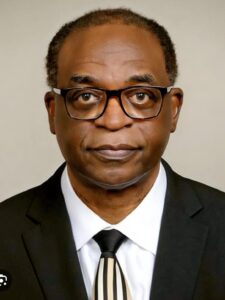
Isaac Megbolugbe
March 4, 2026
Introduction
As believers, understanding our identity is crucial to living a sanctified life and fulfilling God’s purpose. We are tripartite beings, consisting of a spirit, soul, and body (1 Thessalonians 5:23). This understanding is foundational to grasping God’s plan for our lives.
Our Tripartite Nature
– Spirit: We are a spirit, endowed with free will, created to be like God, with agency and authority (Genesis 1:26-27).
– Soul: Our spirit possesses a soul, which encompasses our mind, emotions, and will (Matthew 22:37).
– Body: We live in a body, designed for God’s glory and to house the Holy Spirit (1 Corinthians 6:19-20).
God’s Desire for Our Lives
God wants us to dedicate all aspects of our being to Him, making us stewards of His creation (1 Corinthians 4:2). When we accept Jesus Christ, the Holy Spirit takes residence in our body, empowering us to live a sanctified life (1 Corinthians 6:19).
The Importance of Sanctification
Sanctification is a lifelong process, where we surrender our authority to the Holy Spirit, allowing Him to work out God’s plan in our lives (Romans 15:16). Disobedience injures the integrity of the Holy Spirit’s authority, hindering His work in us.
Honoring God with Our Bodies
Our bodies are temples of the Holy Spirit, bought with the blood of Jesus (1 Corinthians 6:19-20). As such, we must honor God with our bodies, living a life of purity and obedience (1 Corinthians 6:20).
Reflection and Application
– Are you surrendering your body, soul, and spirit to God?
– Are you living with the consciousness that you belong to Him?
– Will you commit to honoring God with your body, pursuing a life of sanctification?
Insight: Intimacy with God requires sanctification, setting us apart for His special assignment (Hebrews 12:14).
The Nature of Sanctification: A Lifelong Journey
Sanctification is a process of refining and transforming believers, declared righteous through faith in Jesus Christ, to become holy and set apart for God’s purposes. This journey is a lifelong pursuit, empowered by the Holy Spirit, as believers yield to God’s will and surrender to His transforming work.
The Foundation of Sanctification
Sanctification is rooted in God’s character and purpose. As God is holy, He calls believers to be holy, reflecting His nature (Leviticus 11:44, 1 Peter 1:15-16). Through Jesus Christ, believers are declared righteous, and the Holy Spirit initiates a transformative process, conforming them to Christ’s image (Romans 8:29).
The Process of Sanctification
Sanctification involves:
1. Regeneration: The new birth, where believers receive a new nature (John 3:3-6, 2 Corinthians 5:17).
2. Renewal: The ongoing transformation of the mind, heart, and will, as believers yield to the Holy Spirit (Romans 12:2, Ephesians 4:22-24).
3. Obedience: Believers respond to God’s Word, surrendering to His will and living a life of obedience (John 14:15, Romans 6:16).
4. Perseverance: The lifelong pursuit of holiness, as believers endure trials and challenges (Hebrews 12:1-2, 2 Timothy 3:14-15).
The Role of the Holy Spirit
The Holy Spirit is the agent of sanctification, empowering believers to live a life of obedience and conformity to Christ (John 16:13, Romans 8:13). The Spirit’s work includes:
1. Conviction: Convicting believers of sin and guiding them toward righteousness (John 16:8-11).
2. Empowerment: Empowering believers to live a life of obedience and service (Acts 1:8, Romans 8:13).
3. Transformation: Transforming believers into Christ’s image, enabling them to reflect God’s holiness (2 Corinthians 3:18).
The Outcome of Sanctification
The goal of sanctification is conformity to Christ’s image, enabling believers to fulfill God’s purpose (Romans 8:29). As believers yield to the Holy Spirit’s work, they will:
1. Reflect God’s holiness: Demonstrating God’s character in their lives (1 Peter 1:15-16).
2. Fulfill God’s purpose: Living a life of purpose and meaning, aligned with God’s will (Ephesians 2:10).
3. Experience God’s presence: Enjoying a deepening relationship with God, as they surrender to His transforming work (John 14:23, 1 Corinthians 6:19-20).
Conclusion
Sanctification is a lifelong journey, empowered by the Holy Spirit, as believers yield to God’s will and surrender to His transforming work. As we pursue holiness, we reflect God’s character, fulfill His purpose, and experience a deepening relationship with Him.
Cultivating Intimacy with God: A Lifelong Journey
Cultivating intimacy with God is a transformative journey that requires dedication, surrender, and a willingness to grow. As believers, we’re invited to draw near to God, experiencing a deepening relationship with Him (James 4:8).
Best Practices for Cultivating Intimacy with God
1. Prayer and Communication: Develop a consistent prayer life, sharing thoughts, emotions, and desires with God (Matthew 6:5-15, Philippians 4:6-7).
2. Scripture Meditation: Immerse yourself in God’s Word, reflecting on its meaning and application (Psalm 119:15, 2 Timothy 3:16-17).
3. Worship and Praise: Engage in heartfelt worship, expressing love and gratitude to God (Psalm 95:1-7, Hebrews 13:15).
4. Surrender and Obedience: Yield to God’s will, surrendering desires and ambitions (Matthew 16:24-26, Romans 12:1-2).
5. Community and Accountability: Surround yourself with believers, fostering accountability and support (Hebrews 10:24-25, Proverbs 27:17).
Implications of Living an Intimate Life with God
1. Transformed Perspective: Intimacy with God shifts our focus, aligning our thoughts and desires with His (2 Corinthians 4:16-18).
2. Deeper Trust: As we draw near to God, our trust in His sovereignty and goodness grows (Psalm 9:10, Proverbs 3:5-6).
3. Increased Fruitfulness: A deepening relationship with God leads to increased fruitfulness, as we bear witness to His work in our lives (John 15:1-8).
4. Greater Resilience: Intimacy with God equips us to face challenges, trusting in His presence and power (2 Corinthians 1:8-11, Romans 8:28).
The Journey Ahead
Cultivating intimacy with God is a lifelong journey, requiring commitment and perseverance. As we draw near to God, we’ll experience transformation, trust, and fruitfulness. Let’s press on, fixing our eyes on Jesus, the Author and Perfecter of our faith (Hebrews 12:1-3).
The Sanctity and Integrity of the Human Body: A Temple of the Holy Spirit
The human body is a sacred temple of the Holy Spirit, bought with the blood of Jesus Christ (1 Corinthians 6:19-20). As believers, we’re called to honor God with our bodies, recognizing their sanctity and integrity.
The Temple of the Holy Spirit
The Bible teaches that our bodies are temples of the Holy Spirit, indwelling us and empowering us to live a life of obedience (1 Corinthians 6:19). This truth underscores the importance of maintaining our bodies as sacred spaces, reflecting God’s holiness.
Issues and Concerns
1. Purity and Holiness: Believers are called to purity and holiness, avoiding behaviors that defile the body (1 Thessalonians 4:7, 1 Corinthians 6:18).
2. Respect for the Body: We must respect our bodies, recognizing they’re God’s temple, and avoiding harm or neglect (1 Corinthians 6:20, Romans 12:1).
3. Stewardship: Believers are stewards of their bodies, responsible for caring for them and using them for God’s glory (1 Corinthians 4:2, 1 Timothy 4:8).
Practical Applications
1. Healthy Living: Prioritize physical health, recognizing the body is a temple of the Holy Spirit (1 Corinthians 6:19, 3 John 1:2).
2. Modesty and Humility: Dress and behave modestly, reflecting humility and respect for God’s temple (1 Timothy 2:9, Philippians 2:3-4).
3. Avoiding Harmful Behaviors: Abstain from behaviors that harm the body or defile the Spirit (1 Corinthians 6:18, Ephesians 5:18).
Conclusion
The human body is a sacred temple, housing the Holy Spirit and reflecting God’s glory. Let’s honor God with our bodies, maintaining their sanctity and integrity, and using them for His purposes.
The Paradox of the Human Body: A Temple of the Holy Spirit
The idea of the human body as a temple of the Holy Spirit (1 Corinthians 6:19) can seem oxymoronic, given humanity’s flawed and weak nature. Our earthly bodies are prone to sin, frailty, and decay, making it challenging to reconcile with the notion of being a dwelling place for the divine.
The Flawed Human Body
1. Fleshly Desires: Human bodies are susceptible to fleshly desires, often leading to sin and rebellion against God (Romans 7:14-25, Galatians 5:16-21).
2. Weakness and Frailty: Our bodies are fragile and vulnerable to disease, injury, and aging (2 Corinthians 12:9-10, Hebrews 5:2).
3. Sin and Corruption: Humanity’s fallen nature leads to sin and corruption, making it seem incompatible with God’s holy presence (Romans 3:23, Isaiah 64:6).
The Paradox Resolved
Despite humanity’s flaws, God chooses to dwell in and through believers, making their bodies temples of the Holy Spirit (1 Corinthians 6:19). This paradox is resolved in several ways:
1. God’s Sovereignty: God’s presence and power transcend human weakness, making the body a suitable temple (2 Corinthians 12:9, Isaiah 40:29).
2. Redemption and Renewal: Through Jesus Christ, God redeems and renews humanity, enabling believers to become temples of the Holy Spirit (2 Corinthians 5:17-21, Romans 6:4).
3. Spiritual Transformation: The Holy Spirit transforms believers, empowering them to live a life that honors God (Galatians 5:22-25, Romans 8:13).
Implications and Applications
1. Humility and Dependence: Recognize our weakness and dependence on God’s power, acknowledging the paradox of being a temple (2 Corinthians 12:9-10, Proverbs 3:5-6).
2. Surrender and Obedience: Surrender our bodies to God, seeking to honor Him with our lives (Romans 12:1-2, 1 Corinthians 6:20).
3. Gospel-Centered Living: Embrace the gospel, allowing it to shape our understanding of the body as a temple, and living a life that reflects God’s glory (1 Corinthians 6:20, 2 Corinthians 4:7).
Conclusion
The human body’s flaws and weaknesses highlight the paradox of being a temple of the Holy Spirit. However, God’s sovereignty, redemption, and spiritual transformation resolve this paradox, empowering believers to live a life that honors God. Let’s surrender our bodies to God, embracing the gospel and living as temples of the Holy Spirit.
The Architecture of God’s Redemption: A Framework for Sanctification
God’s redemption plan is an intricate structure, woven with threads of sovereignty, love, and purpose. At its core, this architecture integrates the sanctification of the body, demonstrating God’s desire for believers to live a life that honors Him.
The Structural Framework
God’s redemption plan is built on several key pillars:
1. Sovereignty: God’s authority and control over all things, including human bodies (Psalm 115:3, Daniel 4:35).
2. Covenant: God’s commitment to His people, establishing a relationship with them (Genesis 17:1-14, Hebrews 8:6-13).
3. Redemption: God’s plan to rescue and restore humanity, made possible through Jesus Christ (Ephesians 1:7, 1 Peter 1:18-19).
The Operational Aspect
God’s redemption plan operates through:
1. The Holy Spirit: Empowering believers to live a life of obedience and sanctification (John 16:13, Romans 8:13).
2. The Word of God: Illuminating believers’ minds and guiding their actions (2 Timothy 3:16-17, Psalm 119:105).
3. The Body of Christ: The community of believers, working together to promote God’s glory (1 Corinthians 12:12-31, Ephesians 4:1-16).
Sanctification: An Integrative Element
Sanctification is an essential aspect of God’s redemption plan, integrating the believer’s body into the process:
1. Body as a Temple: Believers’ bodies are temples of the Holy Spirit, requiring care and respect (1 Corinthians 6:19-20).
2. Holiness and Obedience: Believers are called to live a life of holiness, reflecting God’s character (1 Peter 1:15-16, Romans 12:1-2).
3. Transformation: The Holy Spirit transforms believers, empowering them to live a life that honors God (2 Corinthians 3:18, Romans 8:29).
Implications and Applications
1. Surrender and Obedience: Believers surrender their bodies to God, seeking to live a life of obedience (Romans 12:1-2, 1 Corinthians 6:20).
2. Community and Accountability: Believers support one another, promoting sanctification and growth in the body of Christ (Hebrews 10:24-25, Galatians 6:1-2).
3. Gospel-Centered Living: Believers live a life centered on the gospel, allowing God’s redemption plan to shape their thoughts, actions, and desires (2 Corinthians 5:17-21, Philippians 3:7-14).
Conclusion
God’s redemption plan is an intricate architecture, integrating the sanctification of the body as a vital element. As believers, we surrender our bodies to God, embracing the gospel and living a life that honors Him, reflecting the beauty and purpose of God’s redemption plan.
Concluding Remarks
As we conclude this exploration of the tripartite nature of believers, sanctification, and intimacy with God, we’re reminded that our identity is rooted in Christ. We’re spirit, soul, and body, designed to glorify God and reflect His holiness.
God’s redemption plan is an intricate architecture, integrating sanctification as a vital element. As we yield to the Holy Spirit’s work, we’re transformed into Christ’s image, empowered to live a life that honors God.
Let’s surrender our bodies, souls, and spirits to God, embracing the gospel and living a life that reflects His glory. May we prioritize intimacy with God, cultivating a deepening relationship with Him, and fulfilling His purpose in our lives.
Ultimately, our tripartite nature is a reminder of God’s grand design – to redeem and restore humanity, making us temples of the Holy Spirit. Let’s honor God with our lives, reflecting His holiness and love to a world in need.
Isaac Megbolugbe, Director of GIVA Ministries International is focused on empowering believers to embrace a grace-driven life of holiness and obedience, passionately pursuing a deeper relationship with God within the boundaries of His sovereignty, and reflecting Christ’s character in their daily lives. He is retired professor at Johns Hopkins University, member of 2024 Marquis Organization’s Class of Top Executives in the United States of America and a Fellow of the Royal Institution of Chartered Surveyors. He is resident in the United States of America.
